For an infant or elderly person, 37°C to 38°C is the norm for a safe bath: it is warm without being hot. One should be at pains to verify the temperature before putting a baby in, whereas an older adult might take on slightly warmer water provided they can do so without risk and have good circulation and sensation.
Damian Rockwell has put together this guide for Australian families on bathroom hot water safety, baby bath temperature at home and more secure shower options for their elders. He details methods of testing for accuracy and averting a scald, as well as what to do in the event of a burn. There are some pitfalls, such as the way tap water will cool in an uneven fashion or the notion that a caregiver’s hand makes for a dependable thermometer. It does not; hands are convenient but they are no substitute for laboratory equipment.
A Safer Way To Set The Temperature
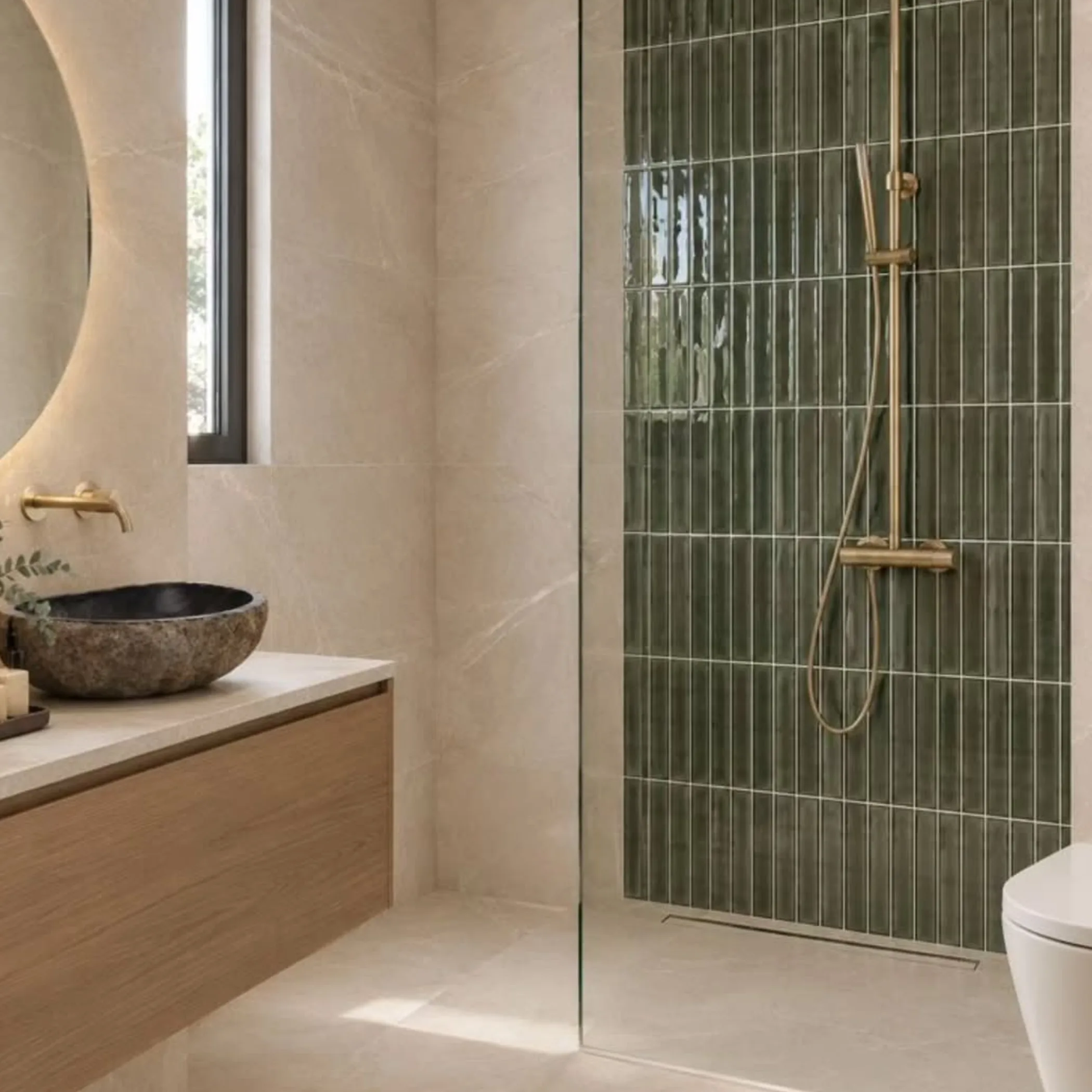
Bathing should be regarded as a matter of controlling the temperature rather than leaving it to chance. Make sure the water is lukewarm, test it and do not let the bather out of your sight.
In the case of a newborn or young baby 37°C to 38°C is the target. Older adults would be wise to start there too, 37°C to 38°C, especially if they have diabetes, frailty or poor circulation. While you want the person to be comfortable, you do not want a scald burn.
| Person | Suggested water range | What to bear in mind |
|---|---|---|
| Newborn or young baby | 37°C to 38°C | Have a bath water thermometer to hand and watch them at all times. |
| Older person with normal sensation | 37°C to 38°C or so | Make any adjustments in a gradual manner, ceasing if the skin is flushed. |
| Older person, frail or with reduced sensation/diabetes | 37°C | An independent thermometer is called for as they may not register discomfort right away. |
| Bath or shower tap | As low as you can make it for the household | Put it to a licensed plumber about anti-scald devices and temperature control. |
These are targets for practical purposes, not medical counsel. A doctor, midwife or child and family health nurse should be consulted for a baby who is premature or otherwise vulnerable.
Watch Over Infant Baths And Keep Them Brief
Hot water is capable of doing real damage in short order given how thin a baby’s skin is. They cannot get away from water they find uncomfortable, shut off a tap or tell you their foot is being cooked like a dumpling, nor do they hold onto body heat well.
So you need three elements in place for safety: a stable position, close supervision and the right temperature. Lacking one and the bath is unsafe.
37°C To 38°C
That is what is generally put forward for a newborn’s bath. Do not confine your testing to the water under the tap; when the bath is filling, the water at the far end could be cooler.
Do not have the tap running when you put the baby in. The stream can be hotter than the rest of the water and a child might slip under it or put a hand on the tap. See to it the tap is off first.
Short Is Better
There is little point in a long soak for most babies, it dries the skin and the water cools. Have your supplies to hand and a hand on the baby. If you must go to the door or the kettle, the baby comes with you. No amount of non-slip mat or bath ring will compensate for leaving a baby unattended.
Putting Older Adults At Ease
What is a safe shower temperature for the elderly is dictated by their health, mobility and the like. Someone with neuropathy or diabetes might not be aware the water is hot enough to harm the skin even if they are enjoying the warmth.
It is best to check the temperature before they get in and keep an eye on things. When they say it is fine, a lower temperature may be in order if their sensation is not what it was.
Start at 37°C and work up in small increments
An adult might find 40°C water to his liking but it is more than a baby can tolerate and potentially unsafe for an older person with diminished sensation. One should not make of any one temperature a rule that applies to all households.
Be on the watch for dizziness, sweating, weakness, discomfort or redness that does not go away; if you see these warning signs the bath or shower has to be put to an end. Those who are dehydrated, on some medications or have low blood pressure can also be made light-headed by hot water.
Safe Bathroom Access Should Be Planned
The risk is best mitigated by sound logistics before one even puts the tap on. The way from the living room or bedroom to the bathroom ought to be in good light, dry and unobstructed so a caregiver can get in and around the person to the tap without having to put a foot over a laundry basket or stool.
Where an occupational therapist has advised it, a grab rail or a sturdy shower chair is in order. Opt for a surface that will not slip and have towels at hand. Never lock the door if there is a need for help. In short, the access point is safest when no twisting on a wet floor or climbing the side of the bath is called for.
Accurate Testing of Water Temperature
To stave off burns there is no easier way than to know how to test the water. A thermometer designed for bathing is ideal; follow the directions and put it in the part of the water where the person is to sit or stand. Make sure the water is well mixed first as a bath will have its hot and cold layers. A clean hand can be run through or used to stir the water before the reading is taken, do not put faith in what is read right under the hot tap.
Bath Water Thermometer
With a thermometer you have a figure rather than a shrug. Put it in the bathing area and let the reading come to rest. See to it that the device is in working order and has not leaked before using it.
In the case of a baby, check the water prior to putting the child in and again should the bath run long enough for a perceptible change. With an older person, while their word on comfort during a shower or bath is noted, it is not to be regarded as the sole safety measure; verify the temperature before they get in.
Wrist Or Elbow Test
Absent a thermometer, the wrist or elbow will have to do for the time being. Put the inside of your wrist or elbow in the mix; a comfortable warmth is what is wanted, not heat. But this is no substitute for a thermometer and is not to be relied on with a newborn, anyone lacking in sensation or who is unable to voice discomfort. A caregiver’s hands may be used to the rigours of washing or to extremes of temperature making the test unreliable.
Scald Risks Can Be Lessened At Home
One does not prevent a scald at the side of the bath but at the hot water system. Even after cold water has been added to cool the bath, the tap itself can put out water of an excessive temperature. Safety in the bathroom is a matter of the plumbing, supervision and the room’s layout as much as the tap.
Australian households would be well to have a licensed plumber put them in touch with the right temperature-control equipment for their property.
Temperature Controls
There is the tempering valve which blends the water before it gets to certain outlets, or a thermostatic mixing valve for a finer regulation of temperature and some extra protection, assuming it is properly put in and looked after. What is right for a building will be dictated by the plumbing and the Australian requirements.
While the Australian Building Codes Board has its national guidance, a state or territory may have different demands for household plumbing. A plumber will be able to tell you if the valves and fittings are up to scratch for a home with an infant or elderly resident.
Do not be in a hurry to turn down the hot water system without seeing if the setting is fit for the property; wrong settings can have an impact on hygiene or the performance of appliances and devices.
Put an End to Bathroom Hazards
The temperature may be tested correctly only for safety to be compromised in other ways: a mat with a curled edge, a towel that is hard to get to, the person rising too fast or a ten second absence by the caregiver turning into ten minutes.
- See that towels, soap, medicines and a change of clothes are ready to hand.
- Make sure electricals are kept from the wet parts of the room.
- Employ slip prevention of the flat kind and give it a regular once over.
- Where you can, put hot-water controls and tap handles beyond a child’s reach.
- Make sure the bath is at a depth and water level to allow for secure sitting or standing.
- Babies are to be under constant watch; with an older person one should be on hand to offer immediate help.
While a non-slip mat has its uses, it does not do away with the need for supervision. Nor does a shower chair obviate the requirement to see that it is up to the task in terms of stability and the person’s weight and mobility.
Vulnerability To Burns
There are distinct hazards for infants and the elderly alike, yet both may find it harder to get out of hot water. A baby’s skin is thin and he or she will not have much movement. An older person might be frail, have poor circulation or balance, or be slow to react.
For public information on burns and scalds and what warrants medical attention, there is Healthdirect Australia. Families and carers would do well to make use of their guidance as a first port of call, in addition to a doctor or emergency service for anything serious: Healthdirect Australia burns and scalds guidance.
Then there is the matter of cold stress from bath water going off. Should an older adult become pale, shiver, show signs of confusion or an odd weariness, dry and dress him or her and put them to warmth. One is not to put very hot water in the bath to counter the cold while the person is still in it.
A Scald Requires A Quick Response
Get the person clear of the hot water and any wet jewellery or clothing not adhering to the skin. If practical, 20 minutes under cool running water will cool the burn, but see to it the rest of the body is kept warm.
Ice, butter, oil, toothpaste and the like have no place on a new burn. Blisters are not to be broken and one should not try to peel clothing off the skin. Any burn of note on a baby or older person, or one that is large or on the face, hands, feet, genitals or major joints calls for a medical assessment without delay.
- Stop the heat and ensure the person is safe.
- Cool the area with running water for 20 minutes.
- Take off loose items and jewellery before there is time for swelling.
- Put a clean, non-fluffy dressing over it, loosely.
- In case of collapse, trouble breathing or any other immediate peril, ring Triple Zero (000).
When in doubt about an injury, put in a call to a health professional or an Australian advice service. Even a small looking burn can be a serious thing in a newborn or an older person.
Some Common Questions On Bathing
The following addresses the kind of error or misconception that makes a routine bath a risk. In brief: be close by, have the water comfortably warm and employ a thermometer if you can.
What Is The Safest Temperature For A Baby?
37-38°C is a good working figure. Before you put the baby in, test the water with a thermometer and under no circumstances leave him or her unattended.
40°C For A Baby?
Too hot in many cases, a newborn included. Do not think of 40°C as safe, go for 37-38°C and consider the child’s skin and health.
Elderly Shower Temperatures?
Begin at 37°C or so and be cautious. With diabetes, frailty, poor sensation or balance, a lower temperature is wiser.
No Thermometer?
See to it the water is well mixed and put it to the wrist or elbow test; it must be comfortably warm, not hot. Get yourself a water thermometer for a newborn or anyone who cannot be trusted to tell you when it is too hot.
Hot Water Settings In Australia
You will not find a setting to fit every outlet and system. Have a licensed plumber look at the tempering or thermostatic mixing valve and the tap temperature in line with what is required in Australia.
Preventing Scalds
Test and set the water, keep children from the hot taps, have your temperature-control devices in order and be there to supervise infants or lend a hand to an older adult. A bath seat or mat is not enough on its own.
How Long For A Baby?
Not long enough for the water to cool or the skin to dry out or the baby to get tired. Have everything ready and end it if the baby gets fidgety.
If There Is A Scald
Away from the heat source and under cool running water for 20 minutes. No ice or greasy substances. For a bad burn get urgent medical assistance, or Triple Zero (000) if the situation is dire.
Making The Routine Safer
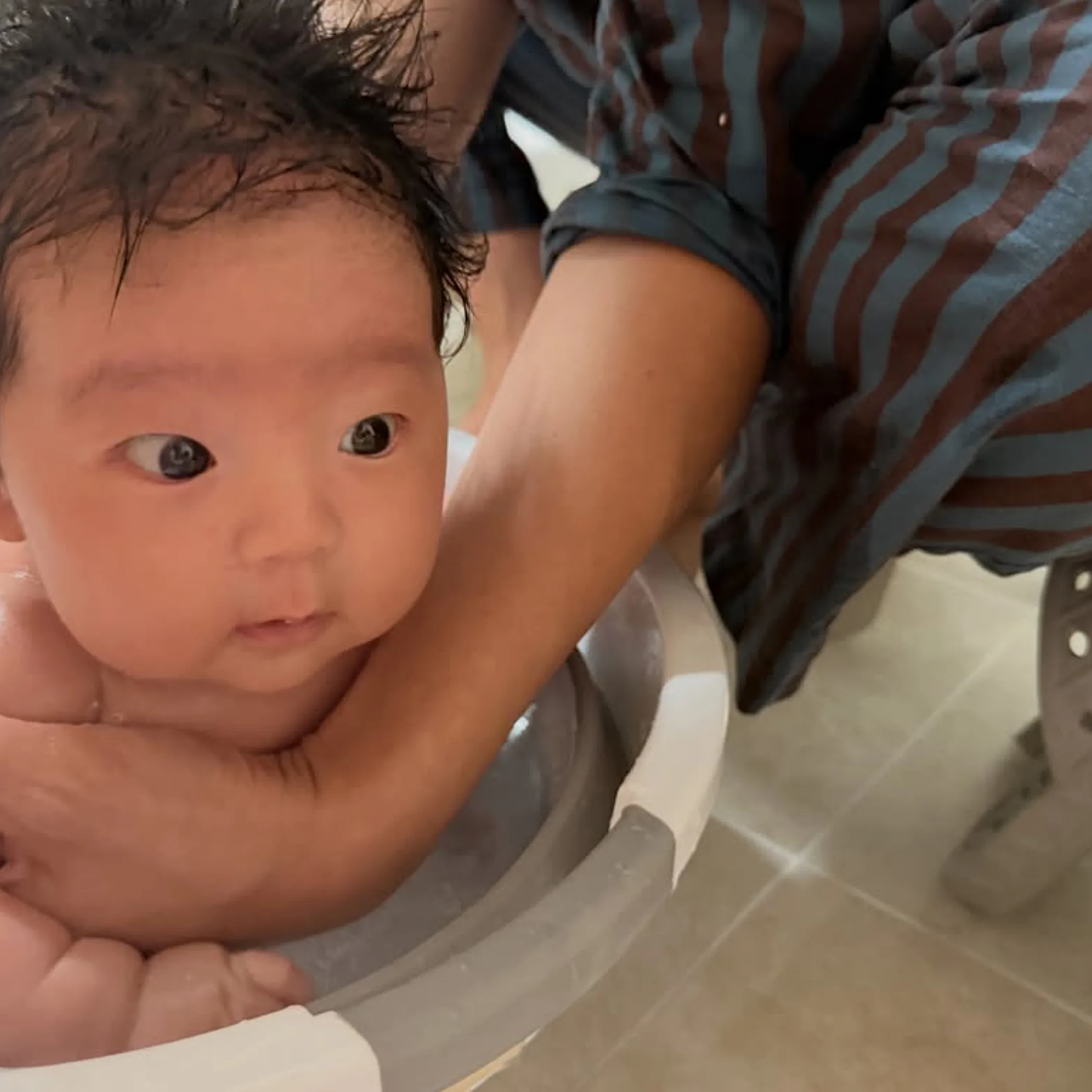
Sensible temperature, the proper equipment, a bathroom in order and a caregiver at hand will make for a safer bath than the warmest one.
With babies that means 37-38°C and you watching over them. For the elderly, start at 37°C and be mindful of diminished mobility and sensation; if you are unsure of the tap or hot water system, get some plumbing advice. It takes only a few minutes to prepare and can save you a trip to hospital that is as avoidable as it is painful.
