One might think the point of exterior house washing safety is to stave off a bad back or a wet shirt. But there is more to it. In short, you are best served by matching your method to the surface, exercising control over any chemicals or runoff, donning proper protective equipment and steering clear of ladders if you can. Opt for the most effective cleaning approach that is also the gentlest; in Australian conditions it is the surest way to go about an exterior clean.
Damian Rockwell here. I have put in my years with practical jobs and around buildings and the weather, and what I have come to understand is that folks tend to make light of the unglamorous risks. Not the sort of things that make for a good story, but the plain ones: a path that has gone slick, an overspray into the next door neighbour’s property, bleach put in too strong, or putting pressure to the weatherboards as though you were taking the paint off a trawler. The thing is, damage is swift. Add in our heat, wind, UV, water restrictions and mould and you have a combination that will take people by surprise.
Why to Put Safety First
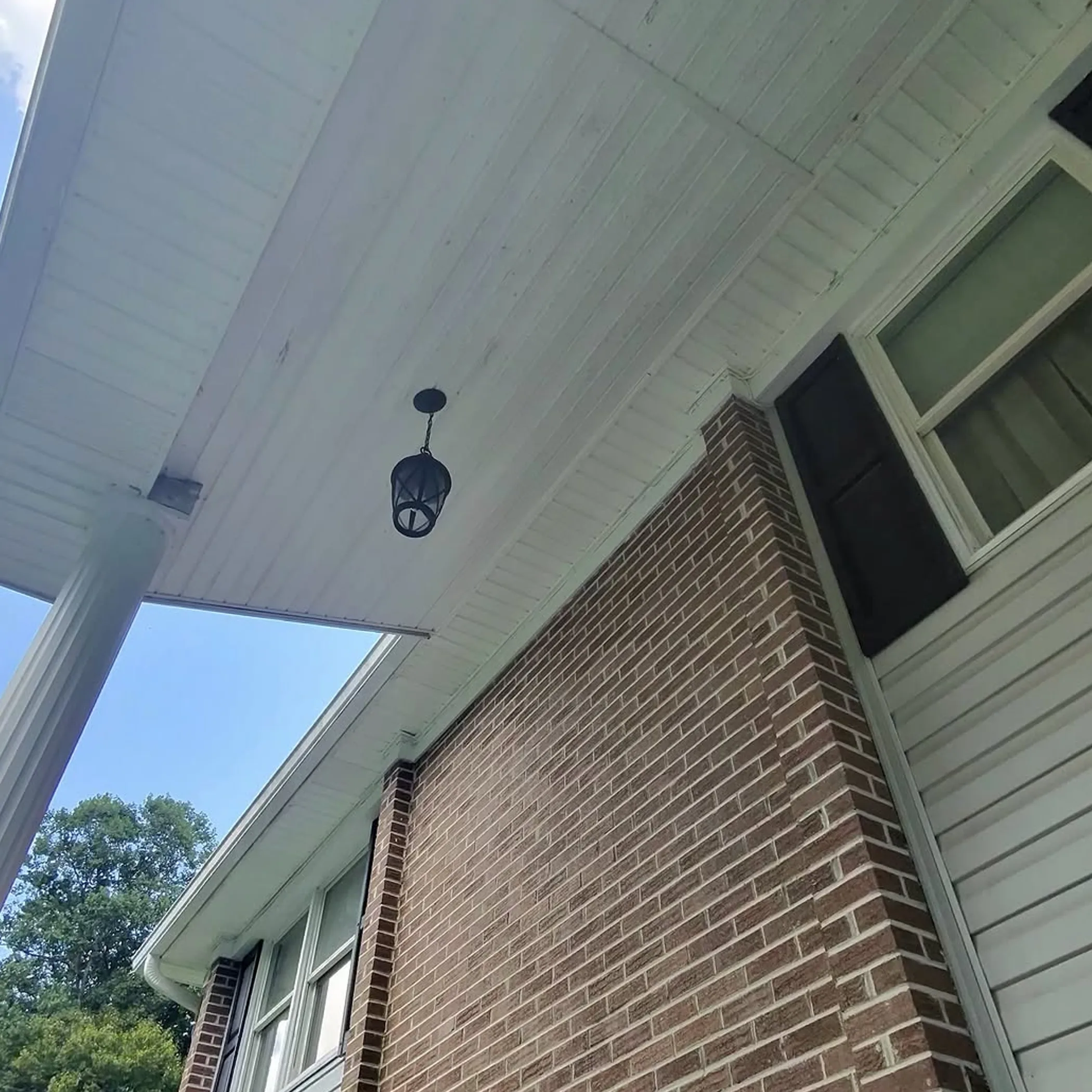
There is no denying a well done exterior puts the whole house in better shape, yet the task involves more than the average homeowner allows for. Even on a modest single-storey you have to factor in the ladders, the electricity, detergents, plants and whatever the weather is doing; it becomes a matter of risk assessment. Then there is the reality of an Australian suburb with its stormwater drains, pets, parked cars and shared boundaries. A timber deck is as slippery as an eel when it is wet. As I would say, put some haste into the job and the house may be fine but your footing, garden or paintwork will not.
Risks You Overlook
The mistake is to think water is inoffensive. A high-pressure spray will do more than just clean; it can drive grime into a surface rather than out of it, shred a flyscreen, etch render or find its way behind cladding. It’s important to understand different fascia cleaning options. Get the dilution amiss with your cleaning solution and you will be burning leaves, staining metal and irritating the eyes and skin.
Fatigue is another culprit. An hour with a spray wand at shoulder height seems enough until the lance starts to kick and your hold on it is not what it was. At that point pressure washer safety is no longer an abstraction.
Contractors will look to Safe Work Australia for their national guidance on safe use of equipment, hazardous chemicals and the like, but homeowners would do well to read up on it from the official source.
How to Go About It
Before the hose is even attached you have made the key safety call. Whether you soft wash or pressure wash is a decision that affects the work area and the operator. There is no shame in taking the least aggressive route that still gets the job done; call it good judgement.
Soft Wash or Pressure Wash?
For trim, eaves, older brick and painted weatherboard, soft washing is the wiser choice. A low-pressure application of solution will see to the dirt, algae and mould at the source without making a pancake of the surface.
Pressure washing has its place on a soiled driveway or concrete path and the odd bit of sturdy brick, but the risk of marring the surface or injury is greater. And if you are set on pressure washing the house, you will often find there are large areas where you should not be.
| Surface / Task | Safer Method | What could go wrong | Some practicalities |
| Painted Weatherboard | Soft washing | Water ingress, stripped paint | Try a patch first, keep the spray mild |
| Render | Soft washing | Worsening of cracks, streaking and etching | An even rinse and little pressure |
| Brick | Low to moderate pressure | Mortar damage, water forced in | Do not blast the joints up close |
| Concrete Paths | Pressure washing | Flying debris, a slip | Runoff must be controlled and wear eye protection |
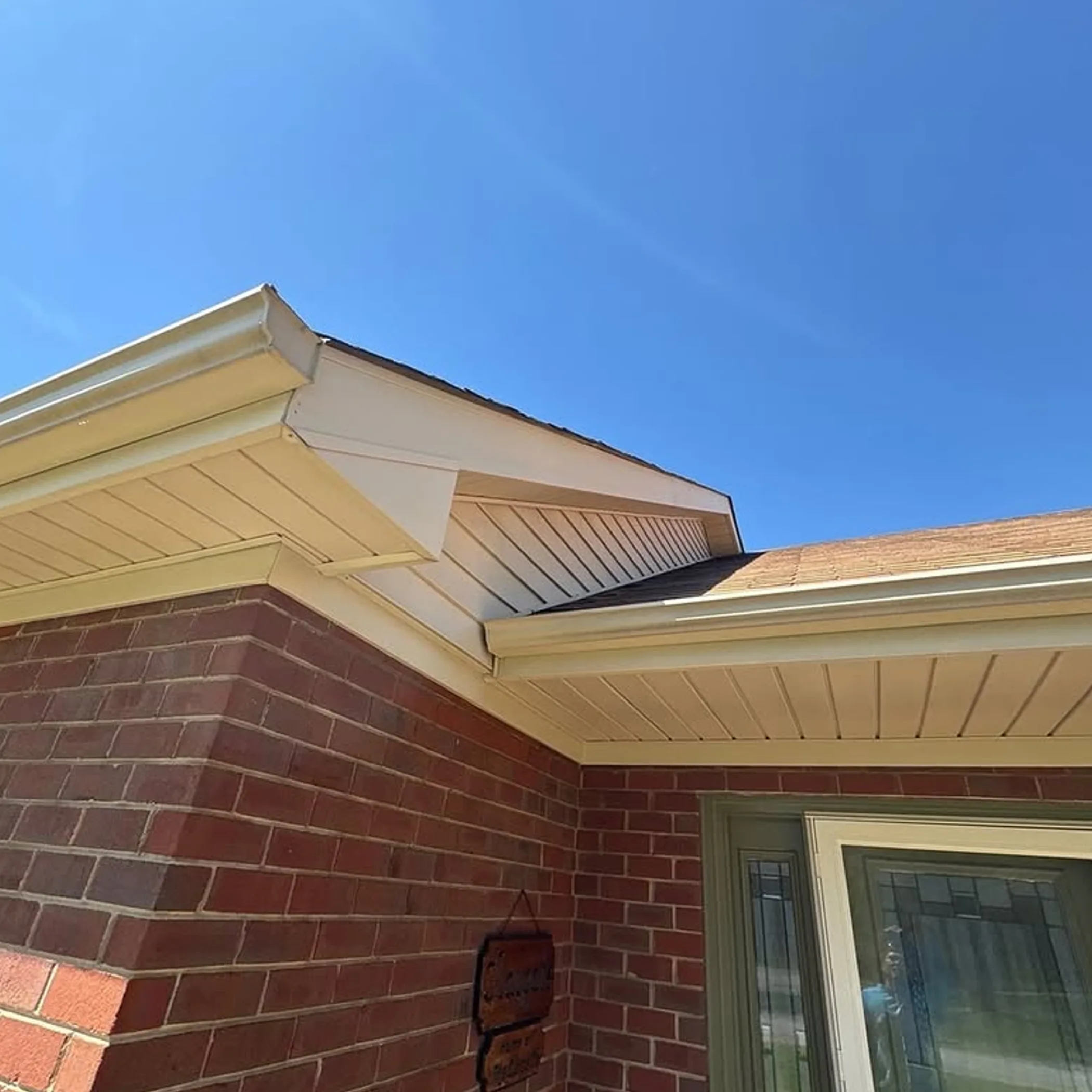
| Fascia And Eaves | Extension pole | Ladder falls and paint damage | Have a look at your options before you climb |
Reality check
You may expect a quicker clean with more pressure, what you get is more repairs. With the salt exposure and old paint you see on many an Australian home, particularly in coastal areas, soft and extension pole washing will prove less of a drama and give a superior finish. Make it a one day job then leave the upper reaches where access is a risk and put in the time on the walls at ground level that show the worst. There are certain jobs a beginner should steer clear of, multi-storey exteriors for instance, or any work in the vicinity of power lines, on steep blocks or with brittle render.
The Right Gear
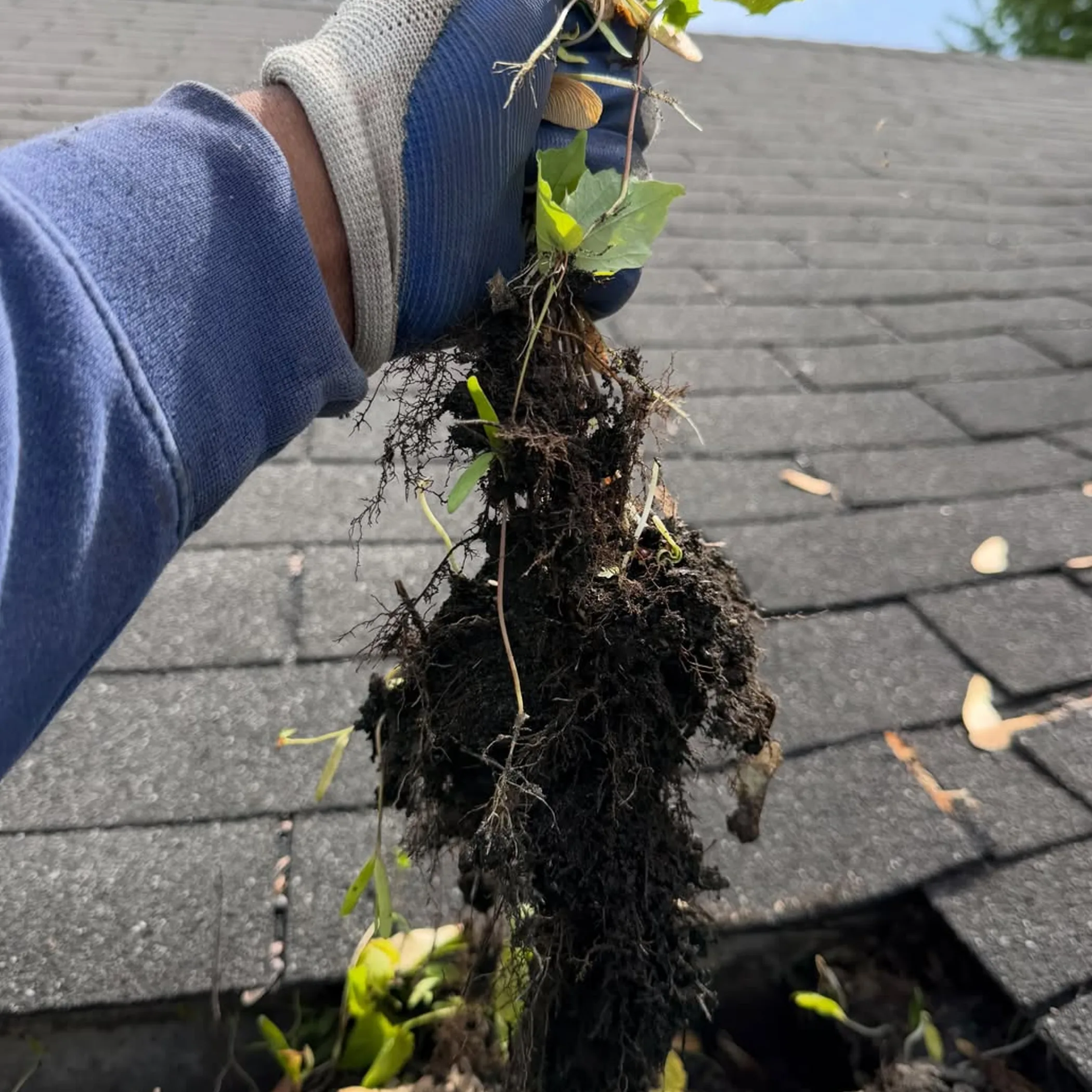
One does not put on good PPE as an affectation. It is there to keep a job from getting rough and gutsy when a bit of detergent splashes back or you are sent sideways by a damp path.
What constitutes the right PPE in pressure washing will be dictated by the weather, the surface, your machine and the chemical at hand, but the fundamentals do not change. You need something that affords you grip and eye and skin protection so you can go about your business safely and not put up with a rogue garden hose.
Protective Equipment
- Some would say non-slip footwear with a decent tread is essential, on wet pavers or painted timber and sealed concrete for example.
- And safety glasses or a face shield to put a stop to rebound spray, grit and chemical mist.
- Then there are gloves for the cleaning agents and the wet work, long trousers and sleeves to limit what the skin is exposed to.
- If you are running a petrol washer or at it for long stretches, hearing protection is called for.
- A respirator or mask if the label on the product says so, or you are putting down a strong mould treatment where the air is not moving.
You can pick up the basics from Bunnings and the like, but using it is another matter altogether. The day will warm and you will have every inclination to put the gloves aside. Resist the urge.
Runoff And Overspray
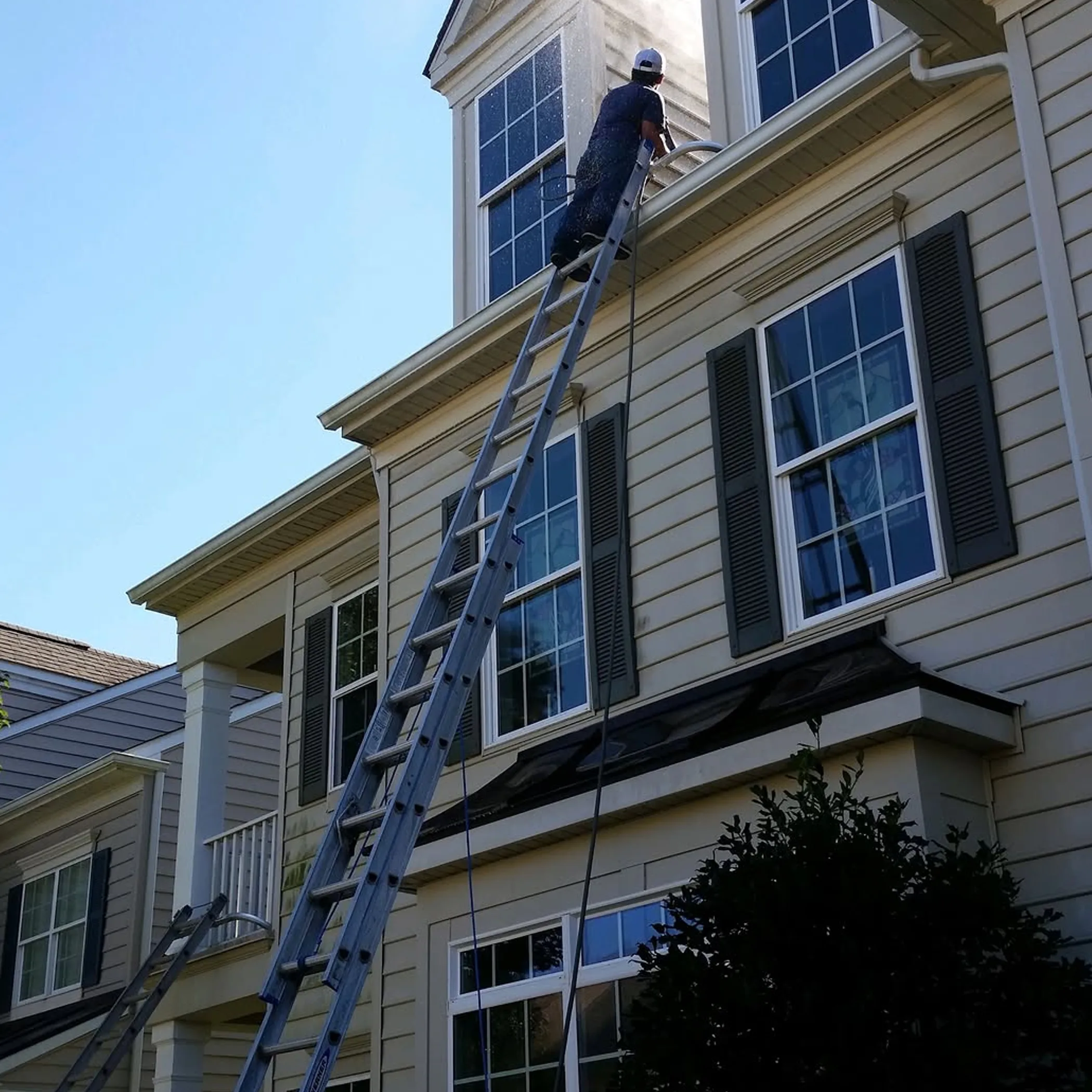
Your neighbour’s ute, the dog’s water bowl or the garden beds should not be sacrificed for clean walls. Runoff protection may be the unglamorous side of house washing safety but its importance cannot be overstated.
Plan ahead. With the narrow side paths, small planted borders and stormwater grates found on many an Australian home, a mild chemical can find its way into places it ought not.
Plants And Property
Pre-wet the foliage and soil around any plants you want to shield from the wash before you apply detergent; it will lessen the chemical uptake. Only cover the more delicate of plants provided there is enough airflow, leave plastic in the full sun and it will cook soft leaves quicker than you think.
Put any loose gear, bikes, toys and pet bowls beyond the splash zone. See where the runoff is going, close the windows and turn off exterior power as you should. Sudes have a way of going further than you would think on a slope. Small contractors like Washrite Australia, SoftWash Australia, Jim’s Cleaning, Revive Group, LicenceToClean and Surface Rescue Adelaide make much of runoff control because complaints tend to stem from the aftermath rather than the wash itself.
Heights
A fall risk and less control are part of working at heights with a pressure washer, along with the propensity to overreach. My advice is plain: should a job require both a ladder and a pressure lance, put a halt to it and consider your options. Not worth the trouble.
An extension pole is a better proposition for eaves, upper weatherboards and anything under the roofline, it gives you balance and keeps you on the ground. But with a two-storey and some intractable staining or gutter and roof safety concerns, you are better off engaging a pro who has the equipment. Do not go out on a roof to get at the walls beneath. A wet tiled roof with lichen or moss is a gamble you do not need to take. Have a look at the whole task, including the gutters and upper trim, before you start to improvise.
Cleaning Mix

Do not assume the stronger product is the answer. More often than not damage is done by poor dilution of the chemical and not the unit. The safest bet is one that is suited to the surface and the grime.
For the exterior of most houses a purpose-made house wash, an eco-friendly detergent for painted surfaces or a mild detergent will do. Read the label, dwell time and rinse requirements are not the same for all.
As for common dirt, a soft brush and some low-pressure water is sufficient for cobwebs and light grime. Algae and mould call for an exterior cleaner of the right sort for the substrate; old mortar, porous render and paint that has seen better days will not take kindly to a harsh mix.
Do not put two products together unless the manufacturer has given you leave to do so. A Saturday morning is no time for a chemistry experiment with acids, ammonia-based cleaners or anything with bleach in it. When in doubt, be conservative with your ratios and use one product as labelled.
You will find home-care pieces on HomeStolove and QQCPM that cover cleaning at large, but generic advice from the internet does not hold water when you are mixing chemicals; follow what the label and official safety protocols say.
Treating Each Surface Properly
The exterior of a house is not to be regarded as one expanse requiring uniform treatment. House washing is safer once you make allowances for the idiosyncrasies of concrete, render, brick and weatherboard.
That is the rub with a lot of DIY work. To be sure, using the same nozzle setting over the entire property is easy. It is also the way to get paint lifting and mortar flaking.
Weatherboard, Brick, Render, Concrete
Soft washing tends to be the preferred method for weatherboard. Angle the spray down rather than up under the laps and do not drive water into the joints. Make a circuit of the perimeter before you apply any moisture to see if there are repairs in order; older weatherboards have a way of concealing soft spots and cracks.
Then there is brick. It is hardy enough but you can still break it down, the mortar joints being the weak point, the old ones in particular. Render is more fussy: an uneven rinse will mark it and too much force will chip it, not to mention how prone it is to staining. You can put pressure on concrete but it will be slippery in no time and the grit flying about is something you do not want near your eyes or ankles.
Do not overlook fascias and eaves either. They are awkward to get at and all too easily put off. Consider whether a brush or pole system, or perhaps a professional, is the wiser option before you start making things up on a ladder.
Knowing When To Call A Pro
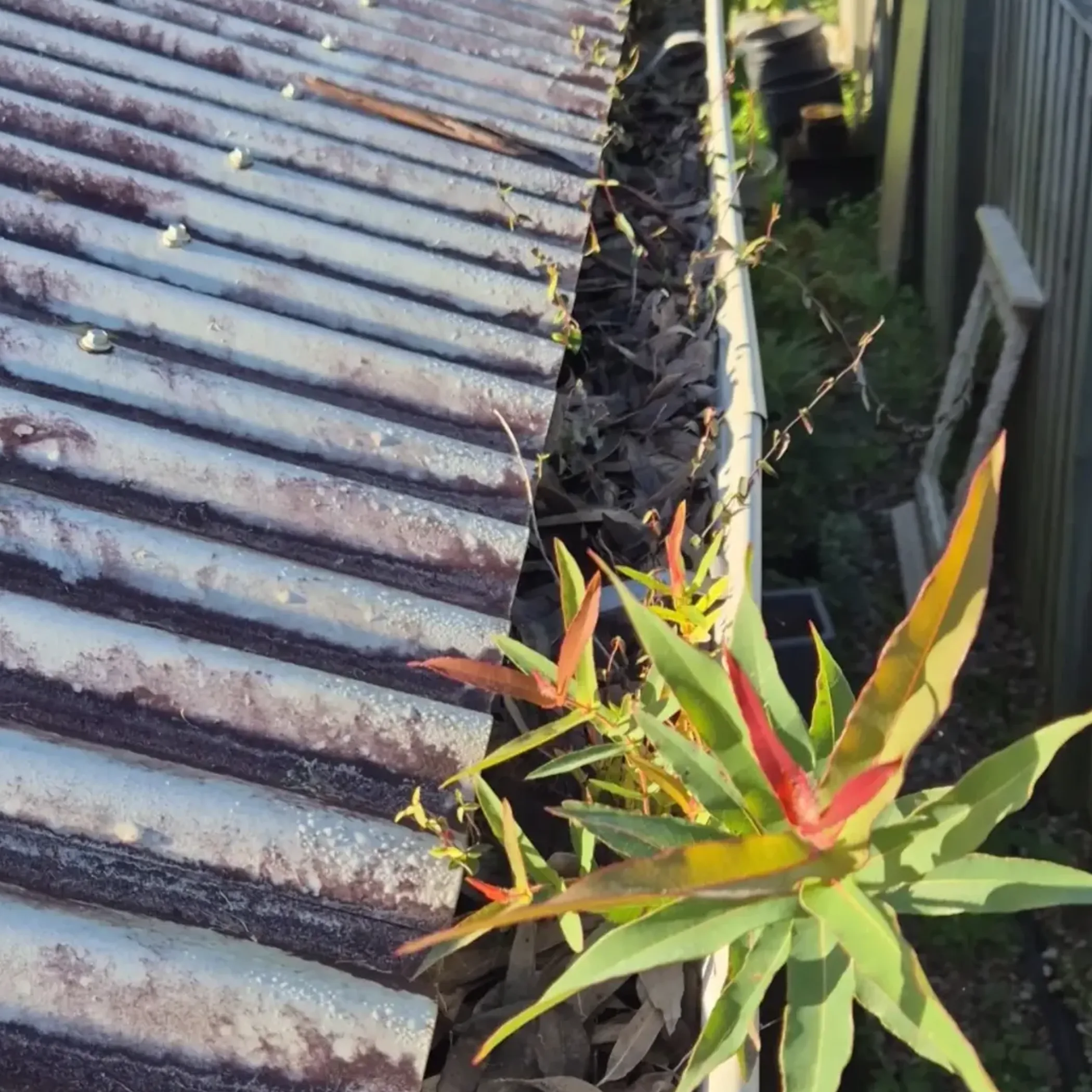
A conscientious homeowner can handle some tasks well enough, but let go of the ego and put others in the hands of an expert. If the surface is delicate or access is problematic, a pro is money well spent.
With multi-storey properties, heritage finishes, very steep blocks or where there are electrical hazards, this is particularly the case. And then there is the matter of stubborn biological growth. You do not want to end up in emergency or facing a repair bill that would have covered the contractor and then some for the sake of a clean wall.
Good Reasons To Outsource
For specialised soft washing, to deal with persistent mould or if you require scaffolding, put in a call to someone who is insured and qualified. In Australia one has to be mindful of what is acceptable by way of local council edicts and environmental concerns, especially where runoff is concerned.
Put some questions to your contractors on public liability, chemical storage and their approach to pressure washer safety. Vague answers should send you looking elsewhere. Damian Rockwell has a simple way of putting it: if they shrug at the risks they are not the sort of operator you want around your paintwork.
A Simple Safety Checklist

Here is something worth screenshotting if you prefer your steps practical. The wash is only as safe as the organisation behind it before a hose is put to the driveway.
Make of the timing what you will, but an early start in summer is fine provided dew has not made the paths treacherous. A windy afternoon and you have overspray to contend with. Allow most of a day for a single-storey job, setup, rinsing and pack-down included. A good inspection of the house exterior will turn up any cracks, loose boards or peeling paint, as well as exposed wiring, wasp nests and ground that is slippery.
Take note of the weather; one should not be out in strong winds, storms or bushfire smoke that impairs visibility and breathing, nor in extreme heat.
When it comes to the surface, opt for the least aggressive means. Soft wash first and apply pressure only as the situation calls for it. Follow the manufacturer’s instructions to the letter in preparing your chemical dilution after reading the labels.
Don’t forget your PPE, eye protection and non-slip footwear. Before you begin, wet down plants, put away anything outdoors, shut the windows and have a plan for the runoff. It is wise to put a small hidden area to the test before tackling full sections.
Proceed in sections from top to bottom with the spray aimed clear of joins and openings. Make use of an extension pole in lieu of a ladder if you can, and do not proceed if access is no longer safe. Once done, give everything a thorough rinse, see how the plants and surfaces are faring and put the equipment away clean.
Common Questions Answered
Homeowners are apt to ask what is safe, what is overkill and what will simply make a mess. I get these questions more than most and find a straight answer has more merit than some heroic brand of DIY confidence.
What Is The Best Solution For Washing Exterior Houses?
That is a matter of the grime and the surface. A mild detergent or house wash of the right kind at the proper dilution is the safest bet for general dirt on painted exteriors. Mould and algae require something approved for biological growth on the outside. There is no need for a stronger mix unless called for.
What To Wash The Outside Of The House With?
Water and an exterior cleaner suited to the surface, with a soft brush or low-pressure system. You will get better results with soft washing on render and painted weatherboards than strong pressure. Brick and concrete will stand up to more force provided you have the PPE and exercise control.
How Can I Clean The Outside Of My House Without A Pressure Washer?
With a garden hose, pump sprayer, soft brush and extension pole you can do a number of homes without one. It is not as quick but is safer for older materials, trims and windows. Beginners would do well with this method.
What Is The Best Way To Clean A Weatherboard House?
Check for open joins, rot or paint that is peeling first. Then soft wash with a mild exterior cleaner and agitate as you must, finishing with a low-pressure rinse going down. Do not be blasting under the boards.
Is Pressure Washing Safe For Every House Exterior?
Not every surface or operator is suited to it. Misuse will do damage to timber, seals, mortar, render and paint. In doubt, have a professional look at it or go with soft washing.
The Practical Takeaway
In Australia there is a certain amount of restraint required for safety when washing the exterior of a house, along with preparation and an awareness of one’s limits. Manage the runoff, wear the gear, eschew ladders and let each surface be dealt with on its own terms. Choose soft washing over brute force.
It is hardly glamorous, then again neither is having to tell a neighbour why his outdoor set reeks of a public pool, or putting in new gardenias and fixing blown paint. As Damian Rockwell would say: slow is smooth, smooth is safe and you will generally get a better result for it.
