There is a rule of thumb for seasonal gutter care in this country: have your gutters seen to at least twice yearly. Then again, if you are in an area with cyclones or near bushland, or the property is hemmed in by trees, every three or four months is more like it. What makes for a sound gutter cleaning schedule Australia over will be determined by the shape of the roof, how much it rains, the leaves on the ground and any local fire conditions.
Damian Rockwell here. In my experience home maintenance is about being consistently unexciting; there is a reward in that. Leave the gutters empty and they will not give you trouble. But come a week of hard rain, a night of wind or when a heap of gum leaves has made itself into compost over your ceiling, they do. The purpose of this guide is to set out when to clean gutters in Australia, what requires checking and to make the case for professional gutter cleaning Australia when a DIY approach is too risky.
A Seasonal Gutter Cleaning Schedule
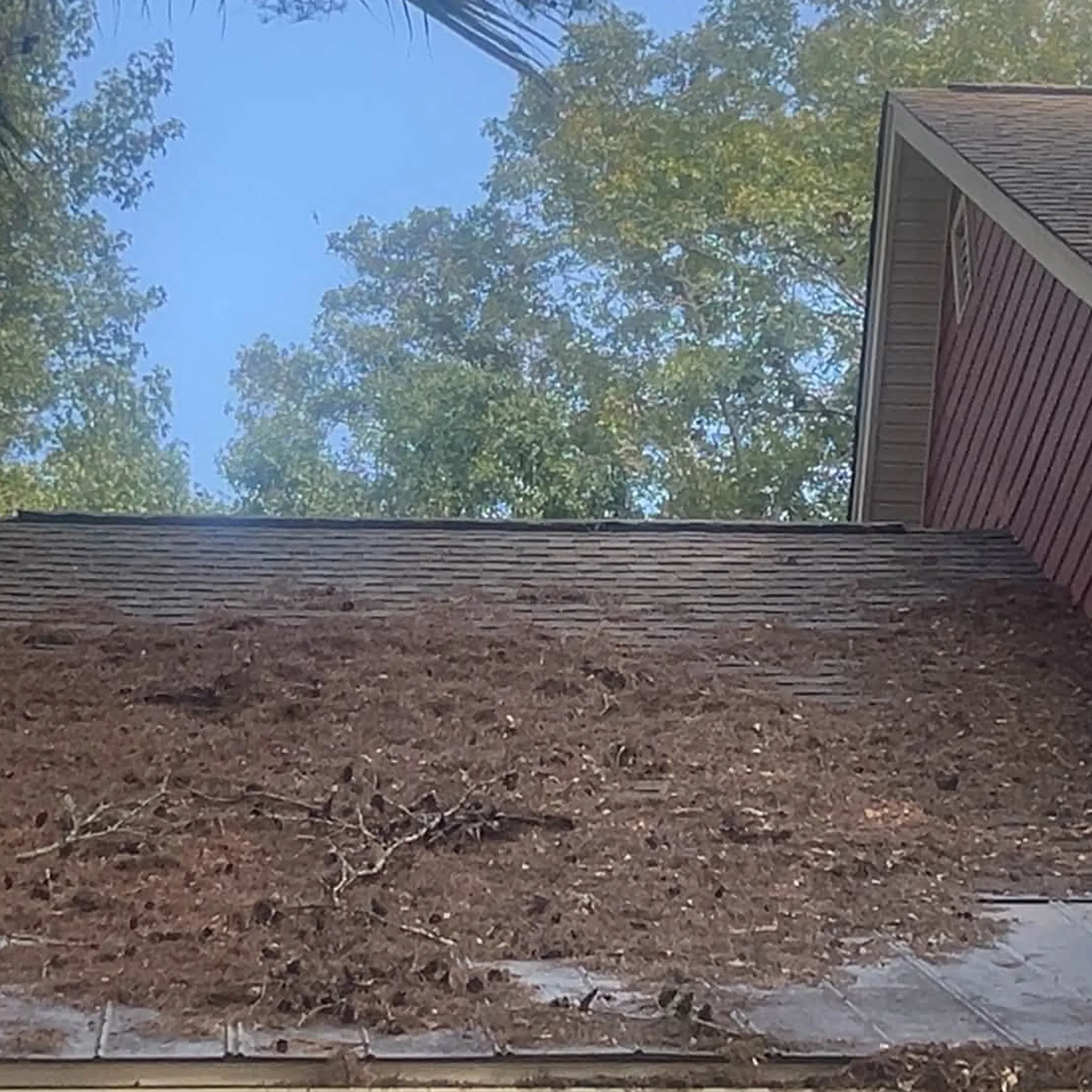
Put some structure in place with a recommended gutter cleaning schedule and you will have a dependable routine rather than putting off maintenance until water is spilling over. You can also align your efforts with the sort of conditions that bring on blocked gutters and damage to the fascia and roof.
The table below is a good way to begin, but tailor it to your street. Two homes might get the same amount of rain yet one under large trees will call for more of your time than its neighbour with a clear roof.
| Season | Priority | Typical Checks |
|---|---|---|
| Autumn | Get rid of seed pods and leaves | Inspect roof valleys, test downpipes and clean gutters |
| Winter | Put in place for the persistent rain | Look for rust, sagging, fascia damage and check overflow |
| Spring | Wind-blown debris, pollen and blossom | Make sure water is running free and have a look at the guards |
| Summer | Storm blockage and bushfire risk | Clear away the dry stuff and get ready for storms |
| Wet Season | Tropical storms and heavy rain | A clean before any big rain and a recheck after |
Local Conditions
An autumn clean and then a spring inspection is where most should start. If you live in a leafy suburb it is worth making a third trip before the wet season or summer comes around. A townhouse with little vegetation does not need the frequency called for on a property with mature trees.
And it is not just a matter of sweeping up leaves. One should be looking at the downpipes, the joins, brackets and any part of the fascia on show. Should the downpipe be obstructed, even a gutter in good order will run over in heavy rain.
How the Climate Dictates Frequency
You will find different gutter issues with the various climate patterns in Australia. The temperate parts of Melbourne put up with other seasonal debris than tropical Cairns; in Perth the dry-summer climate means a mix of dust, leaves and the need for fire preparation.
Then there is the question of how hard it rains. Put 1 mm of rain on a square metre of roof and you have 1 litre of water. Do the maths on a 100 mm event and 100 square metres of roof and you are looking at 10,000 litres of water before you factor in pitch and runoff. Not something a blocked downpipe is going to take kindly to.
Roof Design and Trees
Eucalypts, plane and paperbark trees, along with the deciduous kind on the street, put more organic material in the gutter. Twigs will form a dam across it, small leaves get under the covers and seed pods can get stuck in the guards.
With a low-pitched roof or an extension, water gets funneled to one spot. It is easy to be fooled from the driveway into thinking the gutter is all right when in fact a hidden valley is sending water to a single outlet that is blocked.
For the Southern and Temperate regions
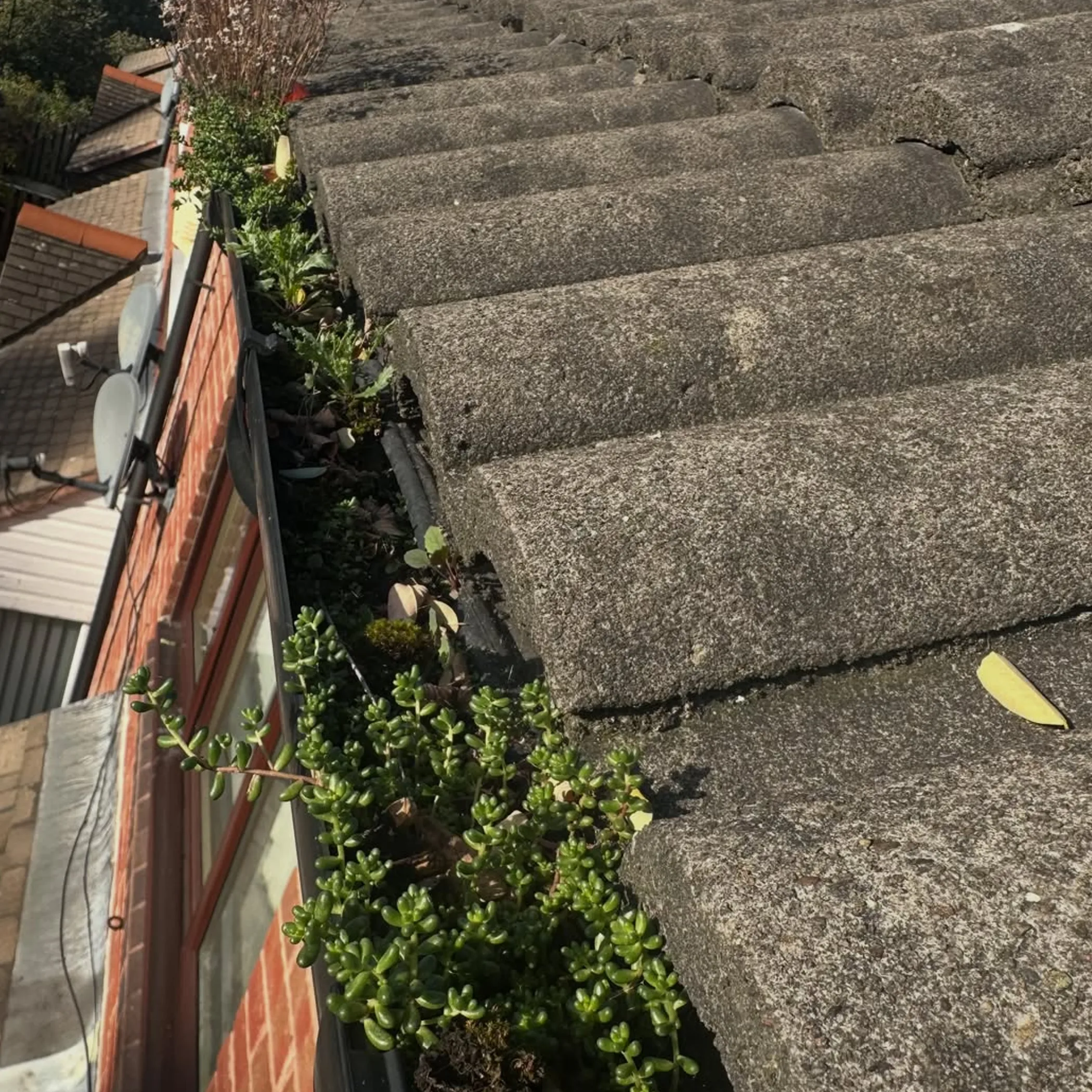
In South Australia, Tasmania, Victoria and New South Wales the seasons run their course and the pressure is on in winter and autumn with the leaves and the rain. Hobart, the Southern Highlands, Canberra and the leafier suburbs of Sydney and Melbourne will have their own timing to suit the exposure and the vegetation.
Deciduous trees mean autumn is the time to clean. Winter will tell you if the system is up to it. An overflow after a long period of rain is as likely to be an insufficient outlet or a poor fall as it is the leaves.
Before any work on the roof, the Bureau of Meteorology is the place to go for official warnings and climate data.
Melbourne, Canberra and Hobart
In Melbourne one will find plane-tree and gum leaves as well as wind-borne litter on the home. Properties in Canberra are subject to dry debris, frost and encroaching vegetation. Then there is Tasmania; in Hobart and Launceston an established deciduous tree can put down a lot of leaves, making for damp debris that is dense and hard to get out.
What I would advise is to do a clean up once the autumn leaves have fallen, and make another inspection before the winter rains set in. Do not be under the impression that gutter guards on a roof with trees about it obviate the need for cleaning. They will limit what gets in but they too will have leaf matter on top and impede flow if they are not kept clear.
Sydney and South Australia
Storms in Sydney tend to produce their rainfall in short and forceful bursts. A downpour will defeat a gutter that has no trouble with anything less. Where homes are close to bushland the prospect of dry debris and bushfire must be factored in ahead of summer. Routine gutter cleaning to remove combustible debris is essential, as detailed in bushfire preparation guidelines.
The reverse is true in parts of South Australia where hot, dry spells give way to rain without warning. Gutters can be left to fill with dust, twigs and leaves over the course of months. One should look for rust, loose brackets and any brittle seals prior to the first heavy rain of winter or spring.
Dry-Summer Climate Care
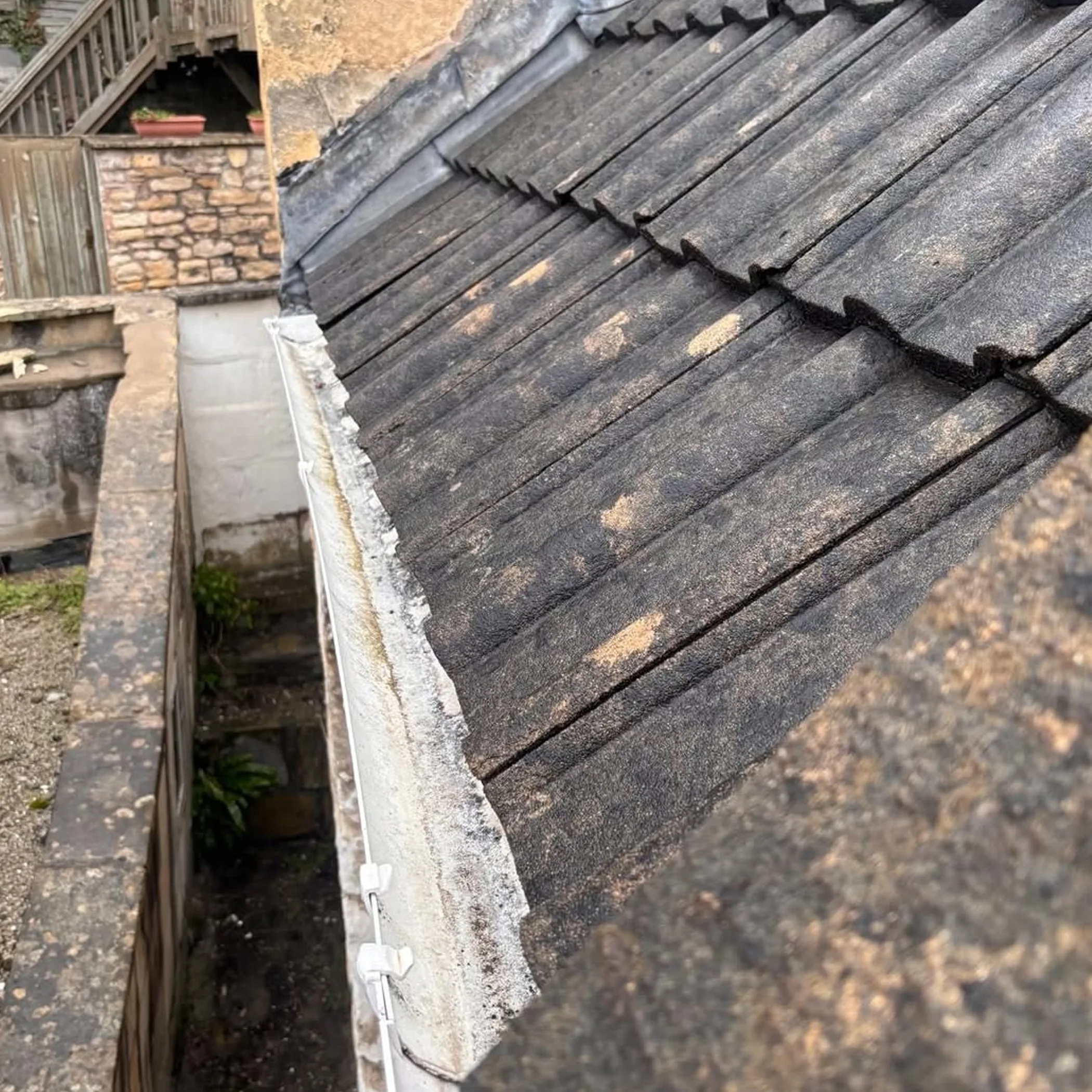
Western Australia and Perth are of a Mediterranean or dry-summer climate, with wet winters and hot summers. While this lends itself to inspections in late spring and autumn, summer cleaning is of equal importance when preparing for bushfire.
Perth residences are prone to an accumulation of sand, fine dust, gum nuts and dry leaves which can form a compact layer that is not easily dislodged by rain. A rinse from the hose will not suffice if the downpipe inlet is solid.
Perth and Western Australia
It is best to confirm that all downpipes are discharging and to clear away any build-up before the wetter part of the year. Put in an appearance after a good rain to see if there are damp patches under the eaves or overflow on the fascia.
Summer calls for the removal of dry leaf litter and a review of bushfire protocols in the area. Cleaning the gutters is a sensible way to reduce risk ahead of bushfire season but it is only one element of property preparation; one must also consider the state of the roof, access for emergency services, local restrictions and the vegetation around the house.
Never put a garden hose to live electrical equipment and do not go up on a roof if it is steep, unstable, hot or wet. In Perth the metal roofing can be dangerously hot long before the heat at ground level becomes oppressive.
Tropical and Subtropical Gutter Care
An entirely different approach is called for in Queensland and Northern Australia where the wet season brings its share of storms, cyclones and intense rain along with fast-growing vegetation. You will want to check more often in the Top End, Townsville, Cairns or the suburbs of Brisbane and the Sunshine Coast than in drier climes to the south.
Whether tropical or subtropical, it is better to clean before the wet season than to put it off for a date on the calendar. The idea is to have a clear run for the water come the first big storm.
Wet Season Timing
Clean the gutters in time to make any follow-up repairs. There is no virtue in finding a cracked or disconnected downpipe the day before a storm.
Queensland homes can amass palm fronds and broad leaves and other organic matter that decomposes quickly. When these get wet they add weight to the gutter brackets so watch for sagging and gaps at the joins.
Cyclone conditions in the north can turn on a dime. Leave the roof alone in the face of strong winds or lightning. Once a storm is over, do an inspection from the ground for any detached guttering, loose sheets or branches that have come down before you go near the house.
Storms, Wet Seasons and Fire
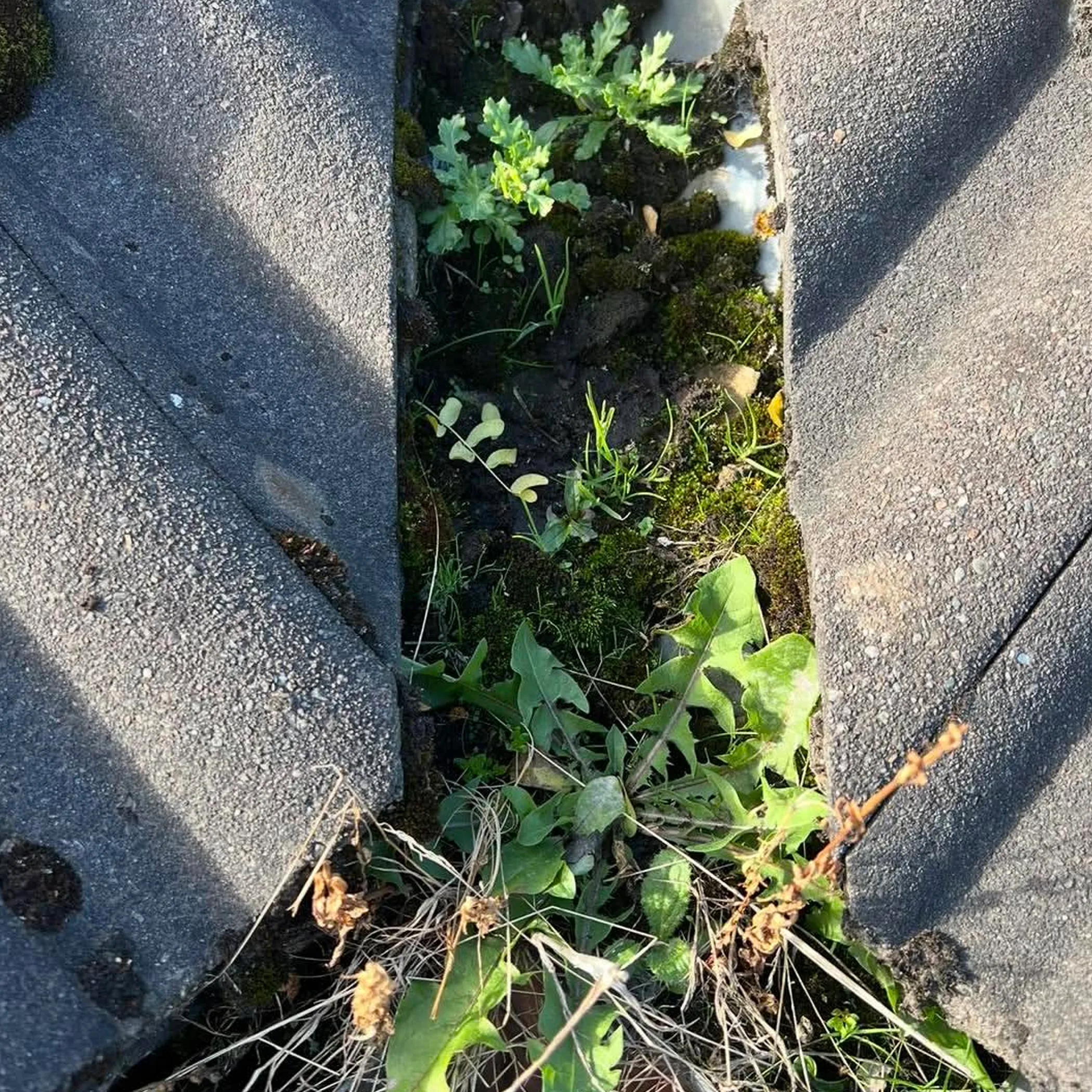
Maintenance schedules are dictated by extreme weather. After a storm, wait until it is safe to clean; the wind will have been putting down leaves and branches well after the event is over.
A seasonal plan for an Australian home will have to cater for both excess water in a storm and the dry fuel of pre-bushfire season in the same gutter.
Prepare for Heavy Rain
Make sure your downpipes are connected and the outlets unobstructed before the storms start, and that rainwater tanks and drains are ready for the flow. See that the gutter guards are not lifted at the edges and can become windblown in their own right.
Walls, ceilings and eaves as well as fascia boards should be looked over in the wake of a heavy rain. One overflow might put a mark on things but nothing more; do it enough times and you are looking at water damage, mould and the like, not to mention timber that has seen better days. Put pen to paper or take some photos to have for an insurer or contractor when the time comes to make your case.
Dry Debris
Do some gutter cleaning ahead of bushfire season to clear the roof edge of any combustible material. Where it is safe, get rid of the leaves, twigs and bark from the gutters, roof valleys and surrounding surfaces.
It is a mistake many make to think a tidy gutter means the roof is in order. The property as a whole is what determines the bushfire risk, so heed the local council and your state fire authority. Should conditions become extreme, put off anything non-essential and respect fire and access restrictions.
To Do It Yourself Or Call In A Pro
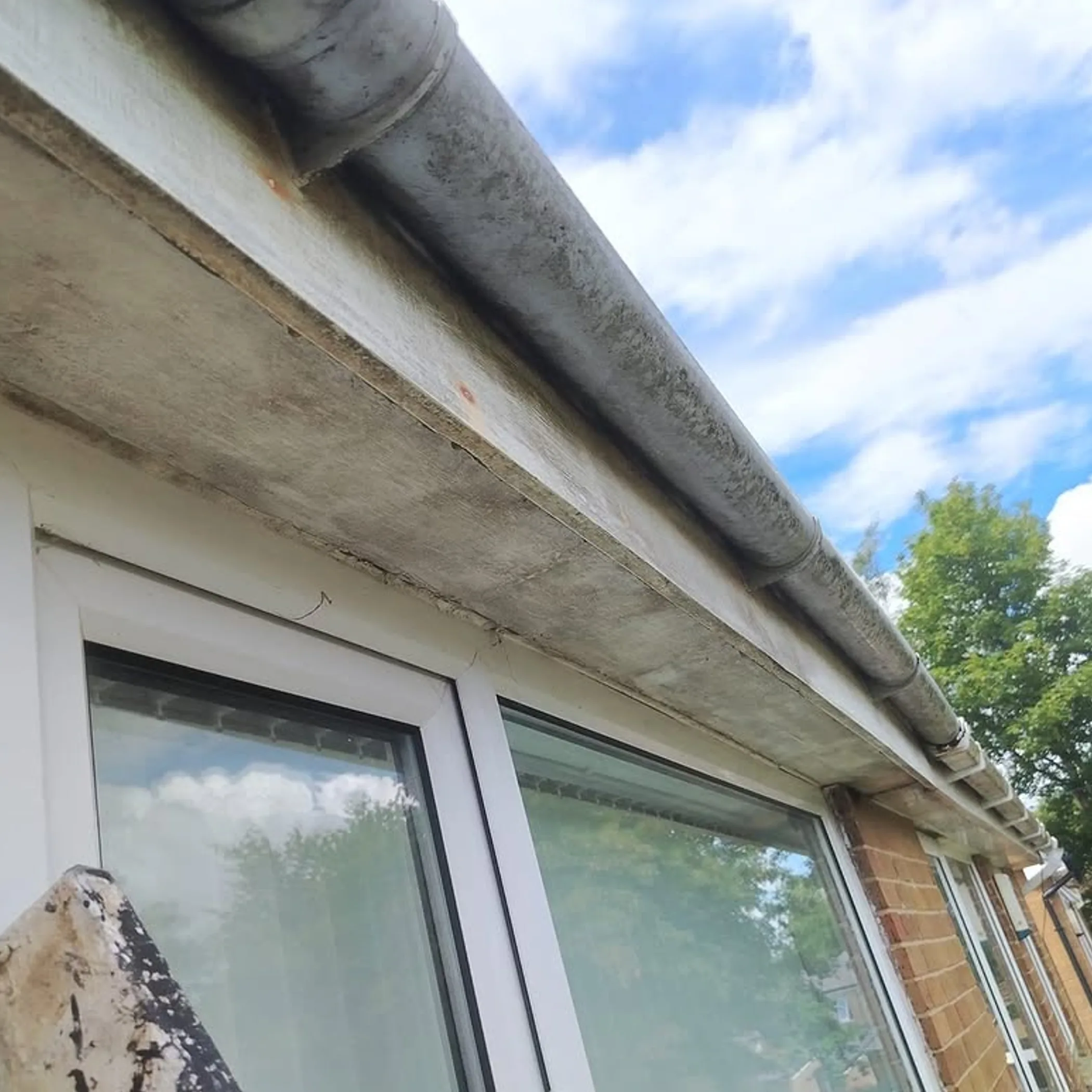
For a one-storey house with easy ground access and not too much debris, a DIY approach will do if you can put a ladder in a good position. But when you have a steep roof, power lines, several levels or wet material to contend with, doing it yourself is not necessarily going to be the economical choice.
An older homeowner or a busy household would be well advised to use a professional gutter cleaning service in Australia to avoid the risk of a fall and save the trouble. Just ask what is covered before you book. “Gutter cleaning” does not always mean they will see to the downpipes, waste removal, minor repairs or the like.
A Safe Way To Access
Gloves, eye protection and shoes with a grip are de rigueur for a job from the ground. Make sure your ladder is on solid footing and you have both hands free to climb. Never put yourself in the vicinity of overhead power lines and do not be tempted to lean out for that last metre from the ladder; it is a recipe for trouble.
Make the outlets and downpipes your first order of business if you are short on time, especially those under trees where water is likely to be held up. A novice is best to steer clear of the roof altogether, particularly if there is a steep pitch, wetness, asbestos or a ladder of awkward height involved.
Pricing is a matter of location, the size of the house and how much work is entailed. Get two or three quotes in writing to be sure of what is included. A cheap quote that omits the downpipes is no bargain.
Indications You Need To Act
There is no need to wait until you see a stain on the ceiling. Gutters will put up some small warnings beforehand and an early spot can avert a bigger repair.
- Rain water running over the outer edge.
- Grass or plants making themselves at home in the gutter.
- Sagging gutters or ones pulling away from the fascia at the joins.
- Downpipes that put out very little during a rainfall.
- Damp marks, rust or holes to be found under the eaves.
- Debris on the roof edge put there by wind or birds.
- The house is next to bushland or under large trees.
Look At The Downpipes
A clean gutter can act as though it is blocked if the downpipe is. With a light rain, watch to see if the water is coming and going as it should. Do not put your hand in an opening where there may be unstable debris, insects or sharp metal.
If there is a quick back up, the obstruction could be below the inlet. Leave it to a pro with the right equipment to sort it and see if there is any subterranean damage to the pipe.
Some Questions Homeowners Ask

I am often asked by homeowners wanting to know if their present routine is sufficient. The answer in brief is that climate and exposure are more telling than any set month.
How Often Should Gutters Be Cleaned In Australia?
Australia’s homes generally call for a check twice yearly, say in spring and autumn. Every three or four months if you are in the tropics, have dense trees about or are prone to storms.
Is there a trick to it?
Clear the downpipe outlets and work in from there instead of shoving debris into a blockage. You will find a scoop, bucket and a bit of hose more useful than high pressure.
When is the right time?
Autumn after the leaves have fallen in the south is fine for some. For others facing the wet season or bushfire conditions, late spring or early summer is better. There is no one month that fits all.
What will it cost?
You will not find a national price to go by given the variables of roof height, downpipe work and so on. Have it put in a written quote.
And what of gutter guards?
They do not do away with cleaning. They will keep some of the larger debris at bay but dust, seed pods and leaves will find a way through or on top. Give them a once over each season and clean when the flow is impeded.
Keep it straightforward
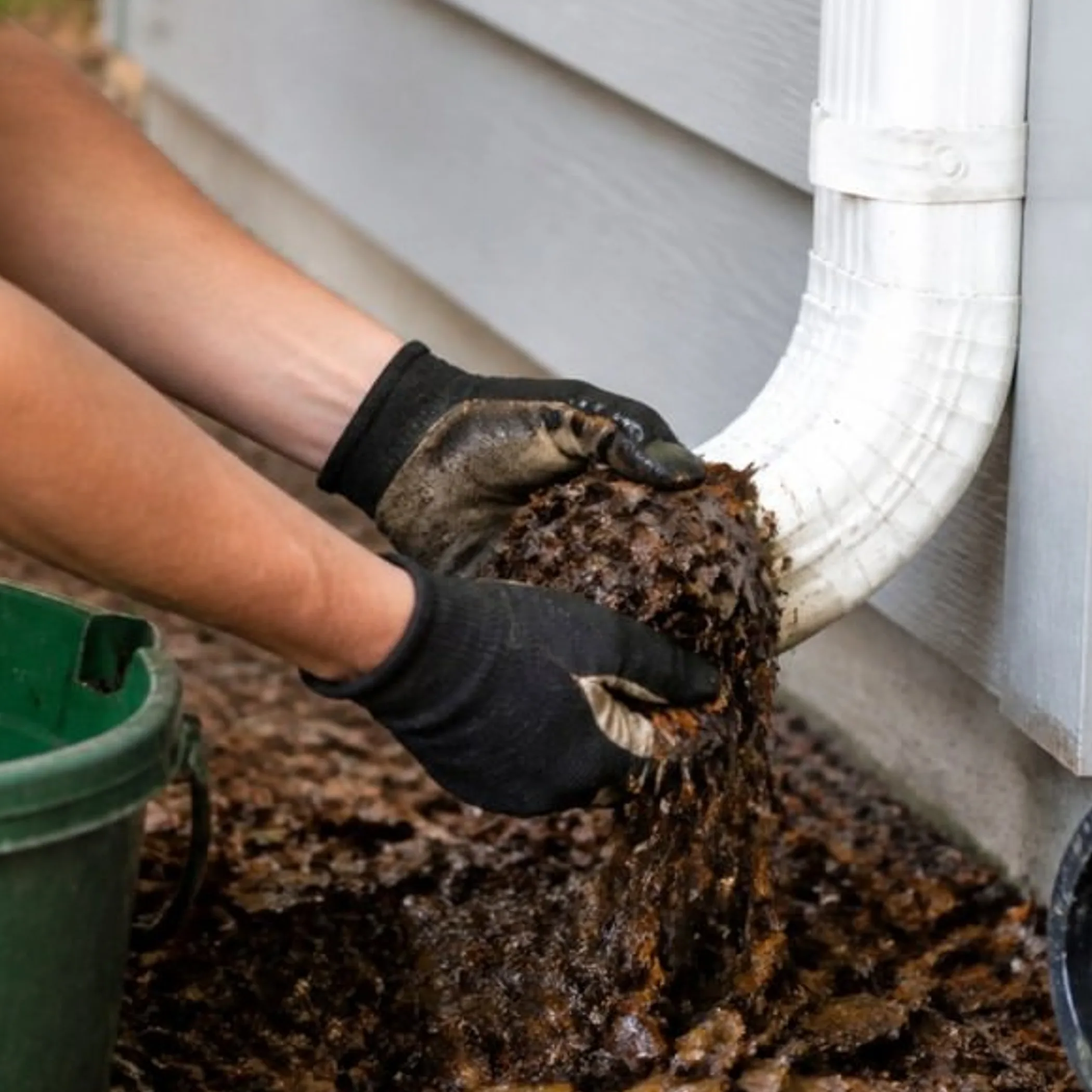
The plan you will actually put into practice is the best one. Schedule a couple of inspections and another after a storm or before the wet and bushfire seasons. Your roof design and the climate will dictate the rest. Properly cleared gutters are a defence for the walls and ceilings and sensible access for you. Better to have a few checks in the year than come across a leak in the course of a real downpour.
