2026 East Coast Time: The Best of It
What makes for the best time to visit is a matter of where you are going. Travellers will find September through November has the right mix of good conditions, unobtrusive crowds and agreeable weather from the Great Barrier Reef all the way to Sydney. Head to tropical Queensland and June to August is generally the wiser option; for better value and to avoid the throngs, make it March to May.
Damian Rockwell here. When I put together a coastal itinerary I am after the practicalities: sensible roads, a beach you can actually put your feet in and the location of the nearest public toilet for when an iced coffee or two has been had. You will not find one month that is perfect across the East Coast with its various climate zones. At any given time you could be having a different kind of holiday in Cairns than in the Whitsundays, Magnetic Island, Hervey Bay, Byron or Sydney. For a broader view, see this East Coast walking tour.
2026 Travel Seasons
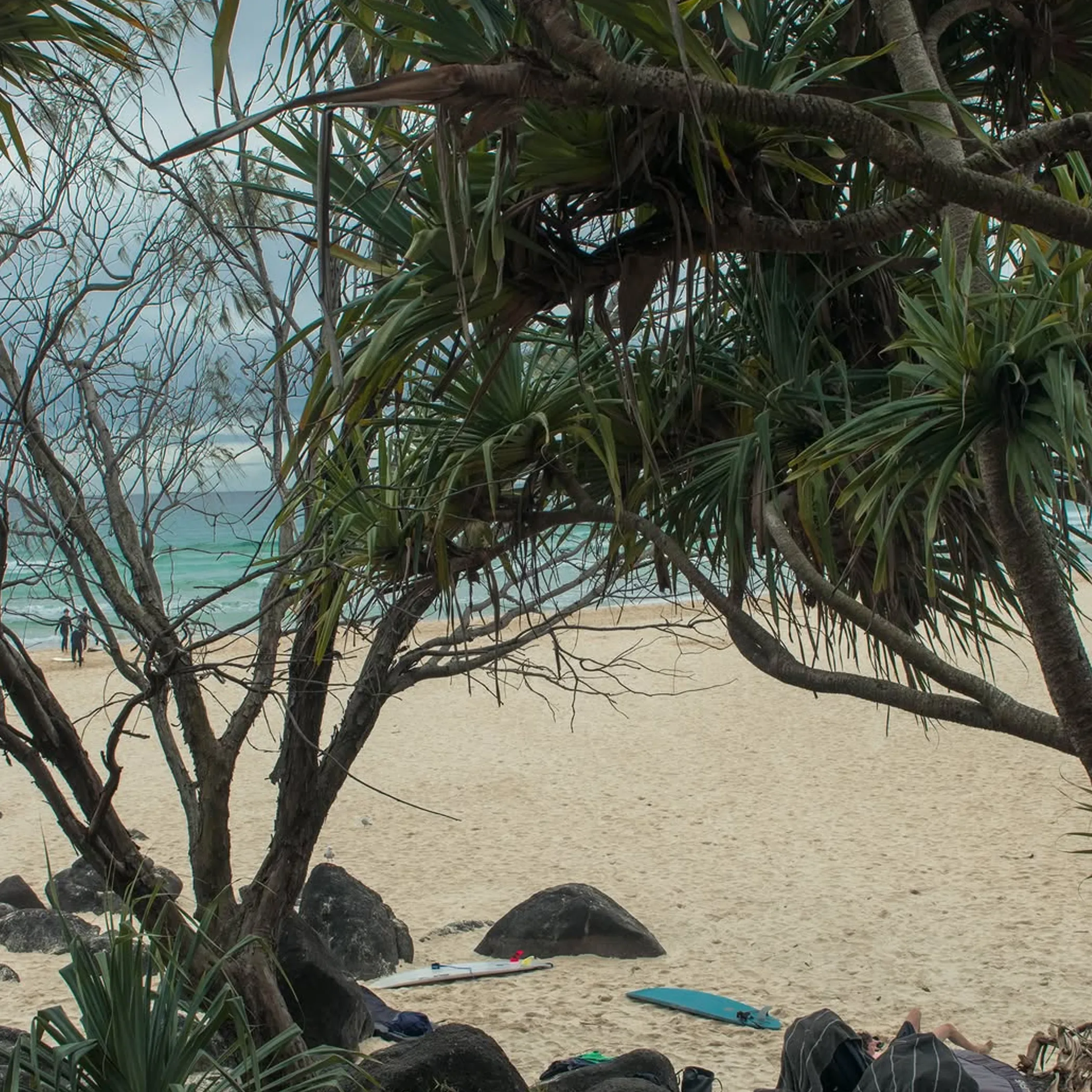
There is merit in selecting the season to suit you; it puts more money in your pocket, shortens queue times and is better for any outdoor pursuits. Use the table as a guide before putting down a deposit on a campervan or booking your flights and lodging.
| Season | Months | What it is good for | Things to note |
|---|---|---|---|
| Spring | Sept – Nov | Whale watching, beaches, walking, road trips and itineraries spanning regions | Temperatures in flux, some wind, school holidays |
| Summer | Dec – Feb | Long days, festivals, surfing and the Sydney coast | Peak prices for accommodation, bushfire danger, humidity and the odd tropical storm |
| Autumn | Mar – May | A comfortable southern climate, Byron Bay, road trips away from the crowds | Less daylight and variable rainfall |
| Winter | Jun – Aug | The Whitsundays, tours of the Great Barrier Reef, whale watching, Magnetic Island and Cairns | Winter school-holiday busyness and chilly mornings in Sydney |
The Bureau of Meteorology will have the latest in forecasts and warnings which should be heeded prior to any long drive, boating or camping plans. Four seasons there may be in Australia but the East Coast is too vast for one rule of thumb. Southern New South Wales will be cooler in winter and warmer in summer; up in northern Queensland you have a drier winter and a wet season.
Weather on the East Coast

It can change in a hurry the further north you go. The forecast might look dry but still put out a tropical storm warning or bring about some hazardous surf and wind. One can have a nice morning in Sydney and by afternoon it is all humidity in Cairns.
Do not make the error of packing for what you think is the national season. Have some layers for New South Wales and something light for Queensland, and for the tropics a dependable form of rain protection. A waterproof pouch for your phone is not as stylish as a new hat but it is worth it.
Why spring is well balanced
For a first time around several regions of the East Coast I would put forward the spring months of September to November. In Queensland the water is warm and things get more pleasant as the season wears on; in Sydney the temperatures are fine for a road trip or some sightseeing.
It is also a good time to be whale watching in Australia. Humpbacks make their way up the coast and later in the season Hervey Bay is a hub for tours. You cannot be sure of a sighting, the whales have not made any arrangements with your travel agent, but a wildlife enthusiast will find it worthwhile.
Then again the weather can be unsettled so have a rain jacket and sun protection at hand and a light jumper. Book your reef tours and any sought after places to stay early if you are making the trip over the September or October school holidays.
Southern beaches in summer
December to February is the time for those intent on a bit of surfing or an outdoor event in and around Byron Bay and the New South Wales coast. With the hours of daylight you do not have to run from your coastal walk to your dinner and swim.
That does not mean it is the answer for an Australian visit in 2026. Boat trips and visibility in northern Queensland can be at the mercy of tropical storms, heat and wet conditions. The Great Barrier Reef and Cairns are open to business much of the summer but you can have a tour called off on a whim.
You are also in for peak season, the Christmas break and school holidays. Expect to pay more for a room and find the campsites and good beaches as full as a sardine tin. And in the south check for local alerts on bushfire conditions that could put a stop to any walking tracks or park excursions.
Autumn rewards flexible travellers
Travellers in search of a good compromise will find that autumn, the months of March through May, has much to offer. It is a time when one can expect accommodation prices to be in check and the crowds thinned out. Sydney and Byron Bay are apt to have a summery air about them in March; by April and May the weather is more conducive to driving or a walk on milder terms.
For an East Coast road trip in Australia, autumn is a sound option as the summer rush has seen many head home. Coastal towns tend to have better availability, if not for weekends, school-holiday dates or special events where the price difference is marked.
Northern Queensland is another matter: the wet season lingers into autumn and with it come the humidity, tropical storms and heavy rain that put a crimp in outdoor plans and reef tours. One would be unwise to pick autumn for the Great Barrier Reef on the strength of a lower cost alone. See what the marine conditions and tour operators have to say before making up your mind.
Tropical Queensland in Winter
If Cairns, the Whitsundays, Magnetic Island or the Great Barrier Reef are at the top of the list, then winter (June to August) is generally the way to go on the East Coast. The drier weather makes for a more comfortable experience whether you are sailing, walking or on a reef excursion, being less humid than in the summer months.
The best trips to the Great Barrier Reef are made in winter. Visibility in the water is good, provided the wind and tides and any recent rain do not dictate otherwise at the particular reef site. A dry forecast is no assurance of a flat sea so, where you can, have a day in reserve for the tour.
Do not make the mistake of thinking all of the East Coast is tropical; in Sydney mornings can be cool even if it is bright at lunchtime, so have a warm layer to hand. And while there is a demand in Queensland over the winter school holidays, especially at the family-oriented islands and reefs, the weather is often right for it.
Major Activities and the Right Month

Rather than some broad seasonal ranking, let the activity at hand set your dates. Whales, long drives, the beach and the reef are all subject to different degrees of daylight, wind and temperature.
Below is an activity list to help with planning, but local conditions should be verified prior to leaving.
- Great Barrier Reef: For Cairns and its tours, June to October is a comfortable stretch with less of the summer humidity. Put in a spare day to cover any departures scuppered by the wind or sea.
- Whale watching: The coast is strong for this from September to November, Hervey Bay in particular for its seasonal tours. But a sighting is a wildlife encounter, nothing is guaranteed.
- Surfing and beaches: December to February is fitting for a warm-water day at the beach in and around Sydney and Byron Bay or further north in New South Wales. Swim between the flags and see what the surf is like.
- Walking and sightseeing: City walks and national-park stops are at their most easy going from September to November and in March to May.
- Island trips: With the humidity down, the Whitsundays and Magnetic Island are attractive in the June to August period. Boat timetables are still at the mercy of the sea and wind.
Make the Season Work for You
Those who want the beach without the crowds might opt for late February or early December to miss the height of the holiday season. A family will put school-holiday availability ahead of ideal weather. In Cairns and northern Queensland the humidity is something to avoid, so winter is the answer.
An East Coast walking tour is more agreeable in spring or autumn than on a hot summer’s day. Put on decent shoes and take some water; after a rain the coastal tracks can be slippery and you may have to contend with exposed ground and stairs.
A Road Trip Down the Coast
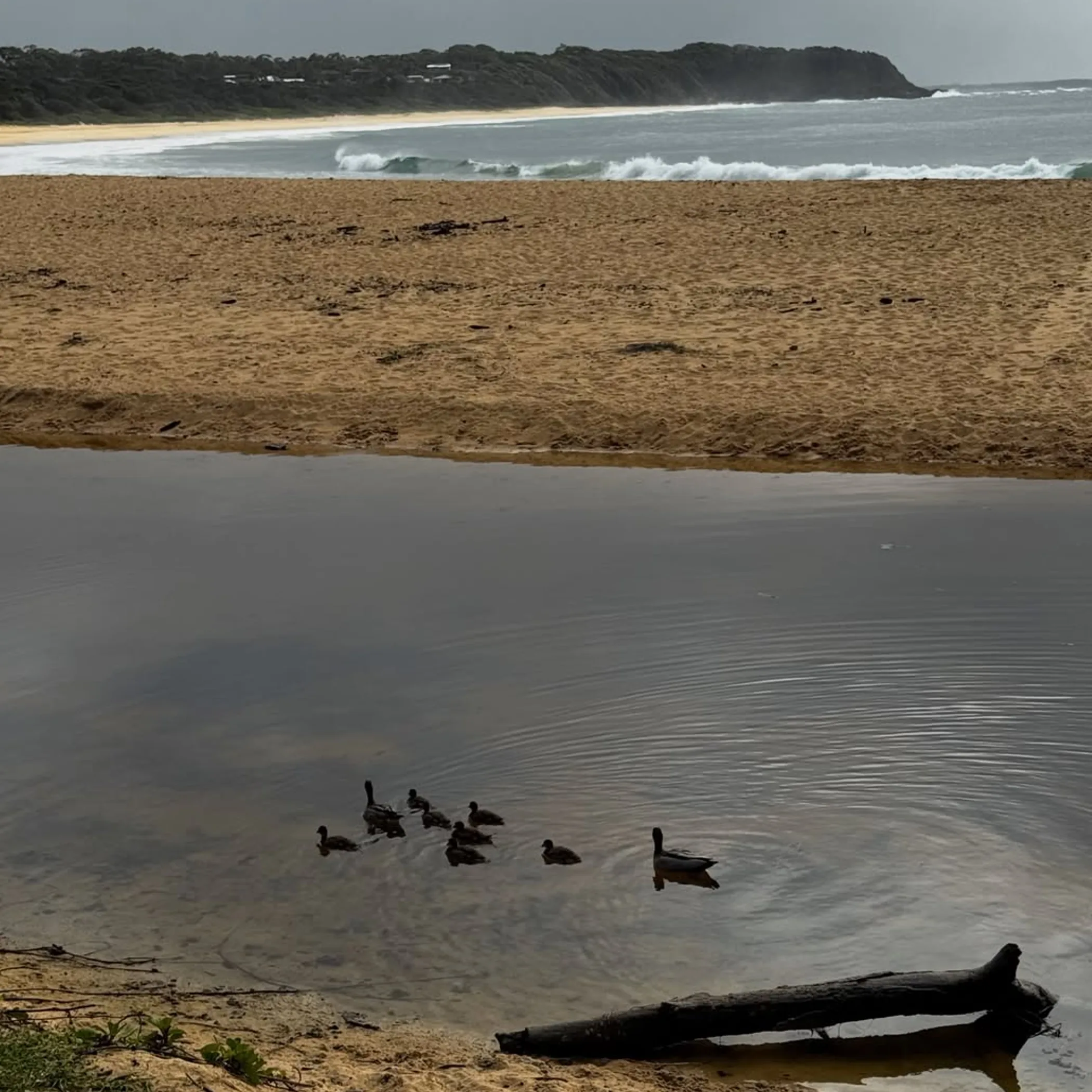
September to November and March to May are the usual best times for a road trip on the East Coast, affording some flexibility with accommodation and not so many people in the way.
But do not judge a day’s drive by the kilometres on the map. Factor in the roadworks, fuel and meals, a detour to the beach and the obligatory photograph “for just five minutes” and the route will seem much longer. Make major transfers a full day’s affair and resist the urge to put in a different town each night.
There is a sensible route from Sydney to Byron Bay and on to the Whitsundays, Magnetic Island and Cairns. It is a big journey and some are well advised to use domestic flights in conjunction with a shorter car hire. Be sure to ask about any drop-off or relocation fees with a one-way hire before you pay.
Driving with Care
You need patience for the long distances of the East Coast. Holiday traffic, wildlife and the odd patch of wet can make short work of an ambitious plan. Get someone else behind the wheel when you can and do not be out in unfamiliar country after dark.
There is an argument to be made for camping to put a dent in accommodation bills, though with the cost of campsite fees, fuel, cooking provisions and hiring equipment it may not come out as cheap as you think. Do make sure a campsite does not need a permit or booking in advance and resist the urge to put up in a closed area simply because it makes for a good Instagram picture.
On the coast, tide times and swell are something to have on hand before you head for the beach or a walk, as are any park closures. There is no mobile reception to be had on some tracks and little shade, with cliff edges left exposed. In northern Queensland one should observe the signs for swimming and crocodile safety, or marine stingers; take along water and let someone know where you are going.
Your 2026 Dates

Begin by looking at what you will not compromise on. A trip to Cairns and the Whitsundays in the drier, cooler months is the way to go if the Great Barrier Reef is your priority. Then again, for Sydney’s surfing and beaches the summer is apt enough, heat and crowds and all.
Factor in your budget and see how it squares with public and school holidays and other events. You will not find a set national period that is invariably the cheapest for East Coast Australia; a town’s accommodation will be dictated by the property, the weekend and its event calendar. The shoulder season is where the value lies, though expect to pay more for a remote island or a well-heeled reef base.
Allow a day or two to be open to the weather, especially when there are long drives or plans for whale watching and island ferries. It is better to have a morning at the café than let a holiday fall apart over a boat trip you cannot make.
Some Scenarios for Planning
One week: stick to Sydney and Byron Bay or perhaps Cairns with an island close by. Make an attempt to do both ends of the coast and you will end up in airport lounges for the most part.
Three weeks: you can put together Sydney, Byron Bay, a stretch of the Queensland coast and Cairns, flying where it is worth the saving on road time. Put aside a couple of unscheduled days to rest or for those spots that warrant more than a hasty photo.
To avoid the throngs: late spring or autumn away from school holidays. And book flexible accommodation, making sure you understand the cancellation policy for any remote spot before you put your money down.
Frequently Asked Questions

When putting an East Coast itinerary together this is what I am asked. The short answer has its uses but regional differences are of greater import.
What is the best month for the East Coast?
October is hard to beat for a multi-region outing. One gets a good measure of spring and outdoor pursuits, plus whale watching and reasonable conditions from Sydney to Queensland. September or November might be preferable if your reef plans or disposition for variable weather dictate it.
Will 2026 be a hot summer?
Not possible to say with any certainty for every location on the East Coast so far in advance. While it is the hottest season, humidity, storms and rainfall will differ in Cairns from a stop in the Brisbane region or Sydney. Wait until nearer departure to see what the Bureau of Meteorology has to report.
What is the best month to visit the East Coast?
For a wide-ranging East Coast trip October is often the most even-keeled month. June through August suits tropical Queensland and December to February is for those after the southern beaches and a bit of surf.
What is a good itinerary for a three-week trip?
A three-week plan done right would be five days in and around Sydney, three in the Byron Bay area, a few on the Queensland coast and four in Cairns for a reef tour, with three days in the Whitsundays or Magnetic Island. Fly the longer distances and do not try to drive the whole coast.
Is the wet season in Cairns too much of a risk?
It calls for flexibility but not necessarily. Rain can be dramatic without being unrelenting but then you have the prospect of rough seas, flooding and cancelled tours. Be prepared for activities to be called off and heeded warnings before you get behind the wheel or near a waterfall.
Make The Most Of The Season

Pick the time of year that is right for your route and how you handle the odd weather surprise. September to November for overall balance, June to August in tropical Queensland, March to May for lighter crowds and better prices, and the southern summer energy of December to February.
Do not over-schedule the driving and have a buffer for the weather. Australia has a way of rewarding the traveller who is willing to change course. The best place to put in a stop may be one not on the agenda, as long as there is a dunny and some shade at hand.
