UV Forecasts Australia 2026
See what the UV index has in store for 2026, along with sun protection times and some sensible SunSmart tips for your time in Australia.
There is a simple rule of thumb for UV forecasts and sun protection times in Australia in 2026: if the index is put at 3 or more, put on some sun protection. It is the threshold for UV 3 that SunSmart and the health authorities have made national policy, and in many parts of the country it will be in effect for longer than you or the locals might think.
Damian Rockwell here. One does not have to do much tourism work to learn that the light in this country has a way of getting the better of people. They will make sure they have water and a hat and are ready for the heat, but come out under a breezy sky and put the forecast out of mind. The short answer for 2026 is to look at the daily UV figures and the sun protection times; once the UV is at 3 and until it falls below, cover up.
The Practical Rule
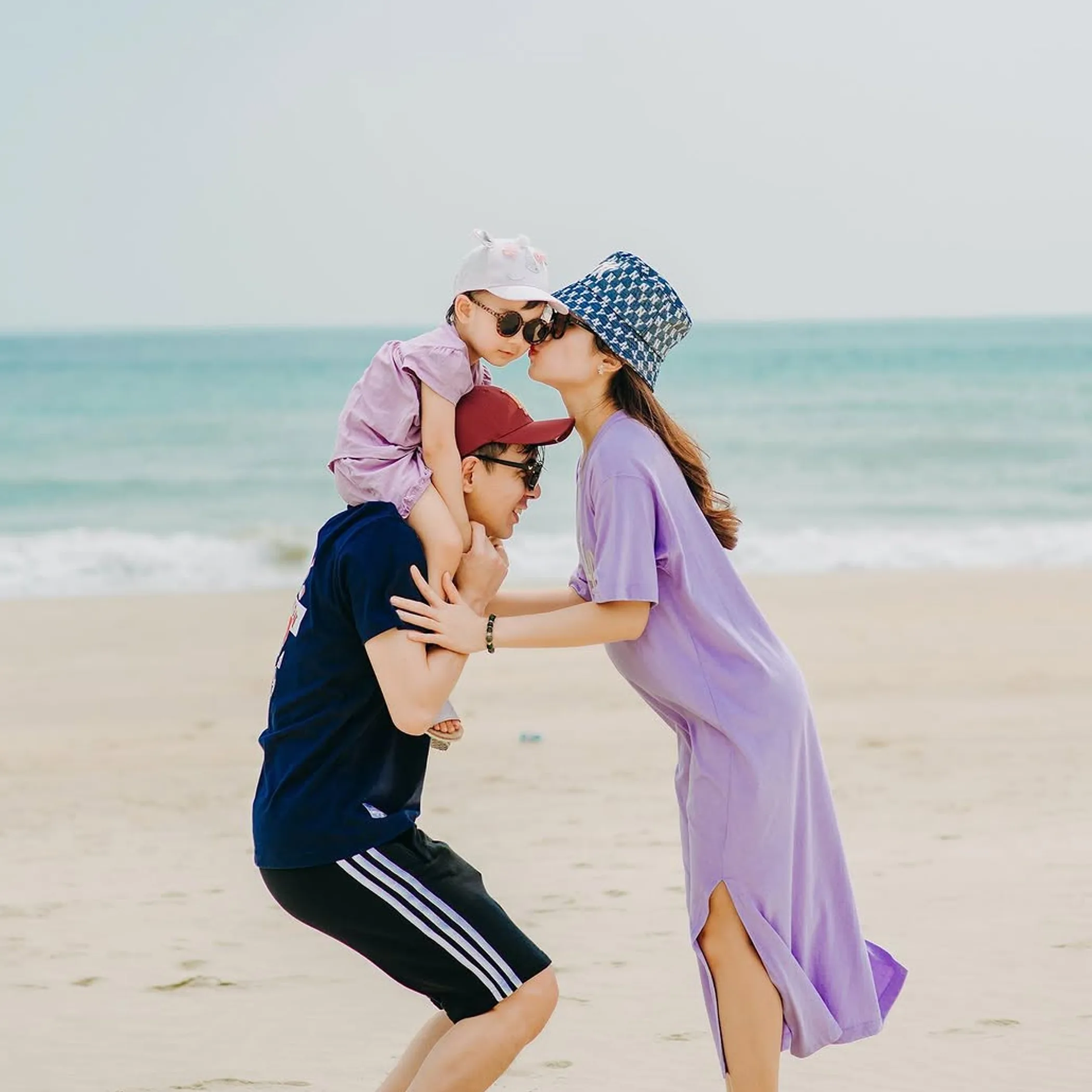
You do not need to fixate on every figure in an Australian UV forecast, just be aware of the trigger point. It is the most practical approach, whether you are at Bondi, taking the dog for a walk in Williamstown or putting the esky in for a day on the Mornington Peninsula. Understanding the value of consistent sun protection can enhance your outdoor experience.
People are apt to confuse UV risk with how hot it is. A mild spring morning with some cloud and wind can still do damage to the skin. Consistent protection is no substitute for guesswork.
What the index is telling you
Put simply, the UV index is a measure of the ultraviolet radiation from the sun at ground level and how fast it will harm exposed skin, irrespective of the temperature. The bigger the number, the quicker the risk. On the 0-11+ scale common to Australia and elsewhere, high or very high conditions will see your time before a sunburn diminish in a hurry, fairer skin and children in particular. This is true on any reflective surface, be it the water or sand or the bright paving by the beach.
A matter of the trigger point
Worth noting on the fridge or in the phone: in Australia one should be protecting oneself from UV 3 on up. That is where the Bureau of Meteorology’s UV forecast and the like from MyUV or SunSmart come into their own. They are not there to inform you as to whether it is sunny, but to indicate when the exposure risk warrants doing something about it.
The UV 3 mark
At 3 and above the authorities would have you take proper SunSmart steps, not just put on a cap you have dug out of the car and squint. Then there are the extreme UV (11+) readings where skin can burn in no time. We see plenty of very high and extreme conditions in the north and inland in late spring and summer.
Properly reading the forecast
The daily maximum is only part of it. You are better served by the hourly forecast and UV graph which will show when the risk is likely to be at its worst across Australia and when it eases. I was shown this the hard way in Tasmania with early starters who, the air being cold enough for gloves, were wondering at 8 am if they required sunscreen. By mid-morning a few were as red as a prawn. UV is not fazed by a cold start.
So use the hourly graphs.
If the curve is over 3 from 9:10 to 4:20, then those are your sun protection times for the day. A good rule of thumb is to check before you put the key in the door and do so again should your plans change. You may set off for the market only to be diverted to the beach, or put in a coastal walk after someone has put a fish-and-chip shop of some repute on your radar; in the course of that your UV exposure can go from unremarkable to considerable with little notice.
Apps And Alerts To Rely On
There are some dependable services out there: the Bureau of Meteorology, SunSmart, MyUV and the data put out by ARPANSA. Public guidance is available from such bodies as Cancer Institute NSW, SunSmart Victoria and SunSmart WA. Then you have ARPANSA with its UV monitoring stations for the collection of national data.
For all the help an app can give, making sure notifications are active on one you trust or having the local forecast to hand is a habit worth getting into. It comes in useful during daylight saving when the long evenings have a way of lulling you into a false sense of security about the UV risk.
Big Regional Differences Are To Be Expected
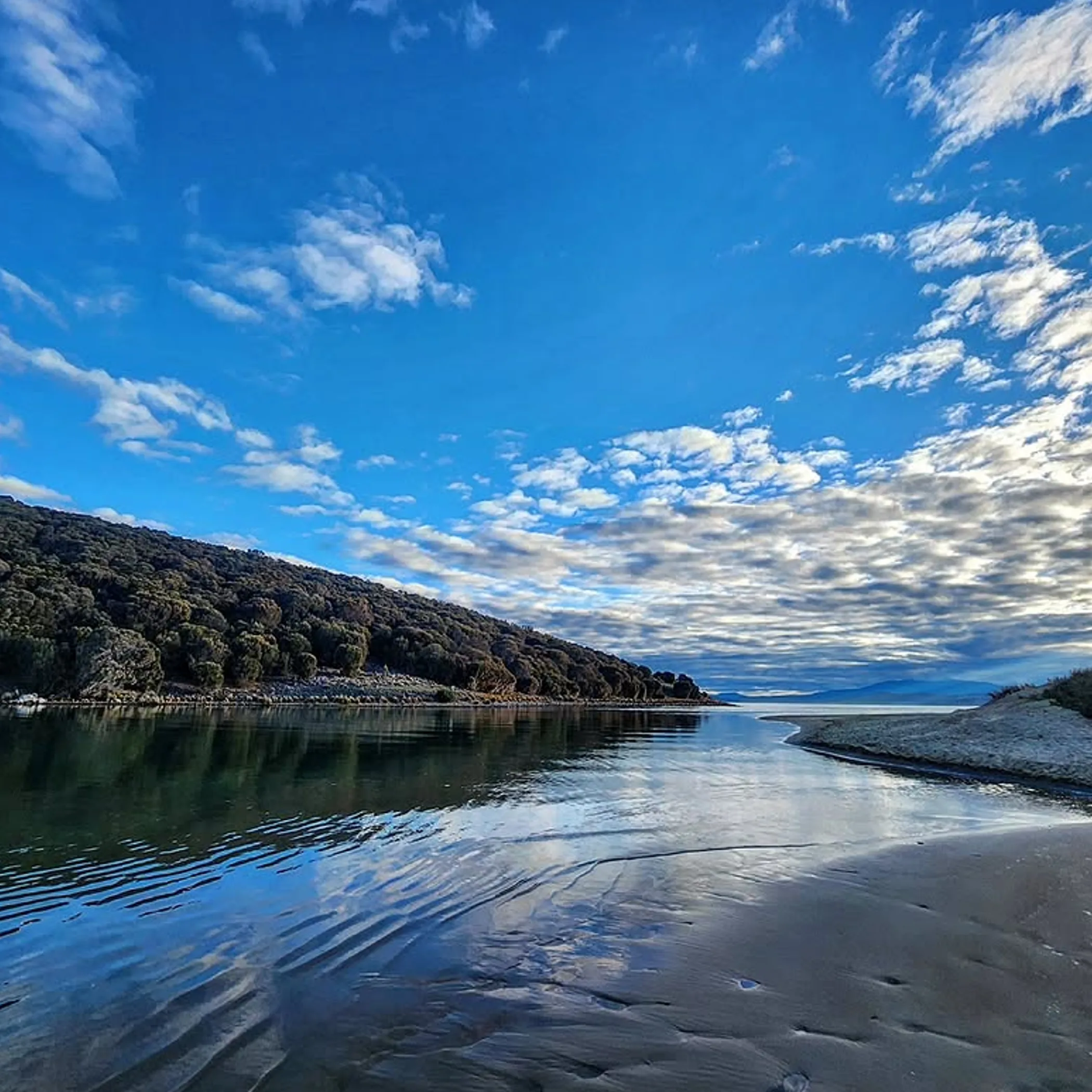
You will not find a uniform UV pattern across Australia. What you see in Darwin is not what you would in Hobart, and Perth and Brisbane are worlds apart over the course of a year, as are Alice Springs and Melbourne.
As a generalisation the UV index will run highest in late spring and summer throughout the country, yet many a place puts in excess of UV 3 at other times of the year. That is where old assumptions from cooler climes let down the interstate visitor or new arrival.
Seasonal Patterns
The warmer months bring the top UV to Canberra, Adelaide, Hobart and Melbourne but conditions can see it hit 3 or more in the spring and autumn and on occasion at midday in winter. Up north in the Top End and Darwin high UV is something of a long season. In the tropics and central parts of the continent strong sun angles and clear skies will give you extreme readings. Do not think cloud negates the danger, ultraviolet radiation goes right through it and with scattered cloud ground level exposure can be heightened for a time.
Where The Highest Levels Are
It is hard to name a daily winner since forecasts are at the mercy of latitude, ozone, altitude, season and cloud. But the north and the inland are wont to record the highest, particularly in the wet season and build-up up north and in the heat of the month elsewhere.
Rather than looking for a city to “win” it is more instructive to ask how frequently extreme numbers turn up and for how long the UV is over 3. For any sensible planning that is of more consequence than empty bragging rights.
Make Of Your Time Outdoors
Be it a game of cricket, a trip to the market, to put the kids back at school or the beach, you cannot afford to be casual with timing any more than with your sunscreen. While peak hours are generally around the middle of the day, local sun protection times can end up running later than anticipated. Daylight saving can be deceptive too; in southern Australia a 6 pm dinner by the water on a fine evening in the warmer months is still within the protection window.
When The UV Is At Its Peak
Solar noon is when it is most intense in most places, say from late morning to mid-afternoon. But the whole stretch of the day the forecast is 3 or above is the window of concern.
One is apt to expect trouble at 1 pm on a hot day. Very well. But then there is the dog walk at 10:30 am in the cool of the morning, standing in the sun at a café, or an interminable lunch at an unshaded table with plenty of light reflecting off the water and you have missed the risk.
Go To The Source
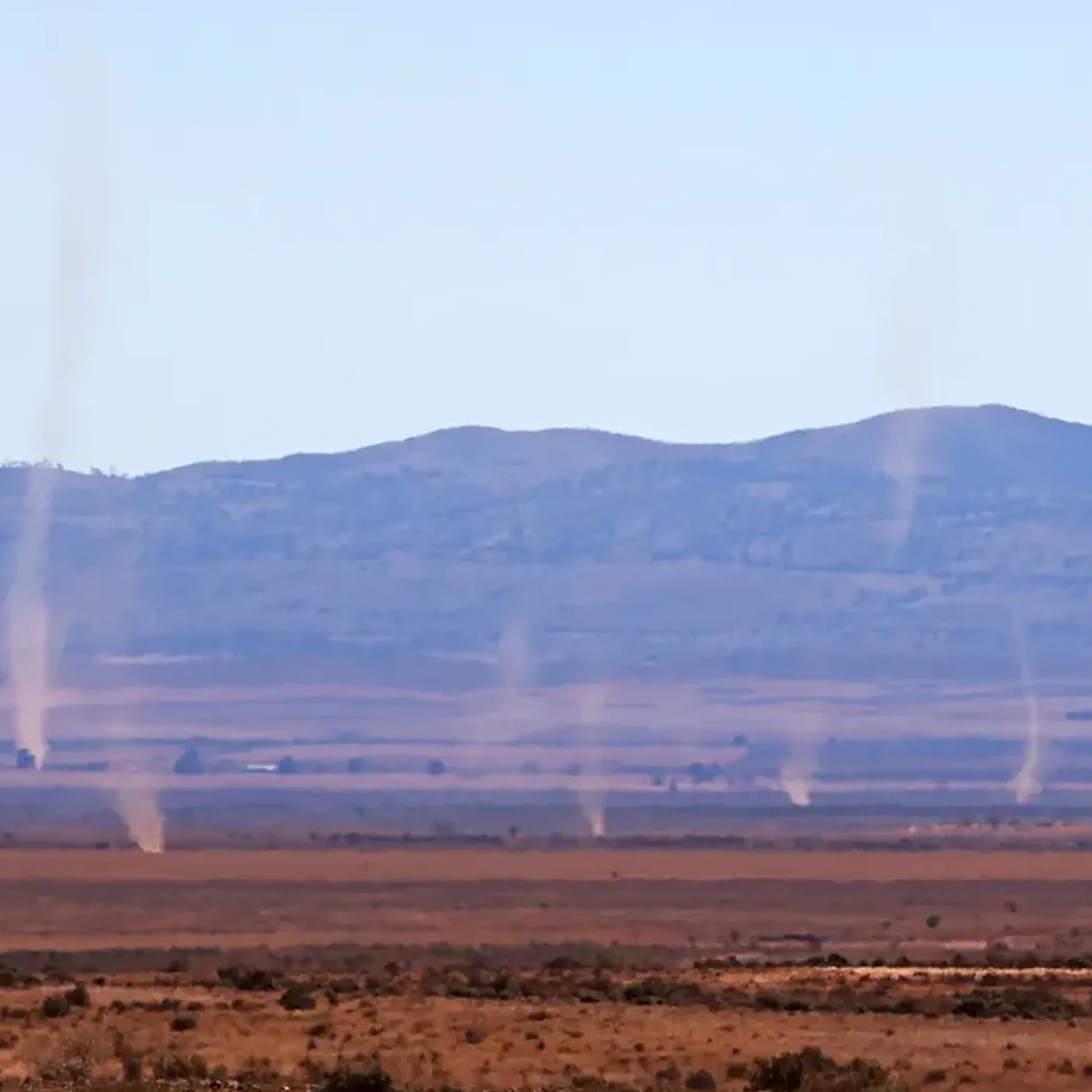
For anything authoritative and local, make of the agencies that do the monitoring and publishing your first port of call. It spares you the recycled advice from overseas or some app that does not know the difference between Broome and Brisbane.
The Bureau of Meteorology’s UV forecasts for Australia are a sound place to start for checking levels and sun protection times by location before you go out.
Why Check
The Bureau will have the forecast for a given place and time. ARPANSA has the data from its stations to underpin national monitoring. As for putting the science into public health terms, leave that to the Cancer Council Australia and SunSmart. MyUV and the state services like those in Victoria and WA and the Cancer Institute NSW are there to aid your everyday decisions.
A handy rule of thumb is to put some stock in the BoM for timing and SunSmart for how to conduct yourself, but do not be under the impression that a cloudy icon absolves you of risk. Put those together and you are set for most contingencies without any fuss.
Five Simple Steps
There is a reason the advice has been so consistent: it is effective. Slip Slop Slap Seek Slide is as good a way to remember skin cancer prevention in Australia as there is, and for that reason it endures.
The trouble is when one puts in only partial effort. Sunscreen is no force field. Out in the open for hours, say on sand or by the water, one requires more than one form of protection.
- Slip into something sun-protective and covering.
- Be generous with your broad-spectrum, water-resistant sunscreen of SPF 30+ and slop it on before you head out.
- A cap will leave the ears and neck to it; better to slap on a hat with a proper brim.
- Put in some time in the shade when UV is high.
- And make sure your wraparound sunglasses are up to Australian standards.
On the subject of reapplication
See what the label says and apply 20 minutes ahead of time if so instructed. Then again at two hour intervals, or sooner if you have been swimming or drying off with a towel. One should adhere to the product directions since wear time is a function of the formulation and what you are doing.
As for cost, standard fare from the supermarket or pharmacy runs AUD 15-30, a hat perhaps AUD 25-60 and sunglasses can be had at all price points. It is not about having the fancy gear, but having a system in place. That is far cheaper than being caught out.
Make The Forecast Work For You
What good is a forecast unless you can make it part of the day? Here is the practical side of turning a figure on a screen into better judgement and less regret by evening.
You might see it in the way tourists plan their day: departures, car parks, where the dunny is and if there is any shade about. UV planning is much the same. Break it down into segments.
Some examples in the city
Melbourne – look at the UV for today and you will find protection is called for from mid-morning well into the afternoon. Make an early start on the Bay walk, have lunch in cover and put off the beach until the light is later in the day. On a warm day the foreshore car parks are full and one is apt to be walking in exposed territory longer than intended.
Sydney – the harbour will throw the light right back at you. An outdoor lunch, a ferry and a bit of strolling can amount to hours of exposure even if it does not feel like you are at the beach. And after a sweat on the stairs or hills, reapply. The city provides ample opportunity.
Brisbane – the UV window is an early one. A breakfast at the café, a river walk or school sport will put you right in the danger zone. Reflected light is still a factor even with some shade.
Hobart – the cooler air is deceptive, as I have seen time and again in Tasmania. A visitor will don a jacket and forgo sunscreen, then have a clear day on the water and get a severe burn. Wind is no defence against ultraviolet radiation.
Darwin/Top End – for the most part the year is strong on UV. In the wet season the clouds may give the day a softer appearance. But out at the markets or on a short walk between the air-conditioning, or near the water, you still need to be protected. From November through April one has to factor cyclone warnings into travel plans, but a clear sky means the UV rule of thumb is as good as ever.
If You Only Have One Day
Make timing your priority rather than being over ambitious. Get the exposed part of the day done early, put in some time under cover when it is at its worst and pick up where you left off later. It is a sound way to handle a family outing, some sightseeing in town or even a coastal drive with a couple of stops for the view.
Then there is the matter of the “easy day” with no plan: adults are talking, the kids have other things to occupy them, there is a bottle of sunscreen in the boot and nothing but patchy cloud and a beach with no shade. Not a hard bush track, that is the most hazardous proposition and the classic Australian own goal.
Keep The Habit Going
One does not need to be fussy about daily life to make use of the Australia 2026 UV index forecasts; in fact it is to simplify matters. Put the forecast in front of you, see what the protection window is and structure your day accordingly.
Public health campaigns in this country have been at it for decades to normalise prevention in the face of the world’s heaviest skin cancer toll. The ABS will give you the population context if you want it, but the practical thing is to act on what the forecast says instead of having to guess from the sky. In a place where an unassuming day can be rough as guts on bare skin, that is what consistent sun protection is for.
Frequently Asked Questions
The sort of questions that tend to get asked once it is apparent the day was anything but harmless.
What Month Is UV Highest In Australia?
For the most part late spring and summer will bring the highest UV, say December or January, although it is a matter of region. Northern and inland locales can have very high or extreme readings for long periods so do not put too much stock in the calendar, check the local forecast.
At What Range In The UV Index Is Sun Protection Recommended?
Once the index is 3 or more, which is the threshold for action in Australia and what the published times are based on, you should be putting on protection.
Which Australian City Has The Highest UV?
You will not find a set answer for any given month or day. While northern and some inland cities put up the top numbers in the warmer months, weather and season will dictate where the highest is.
What Time Of Day Is UV The Strongest?
Usually around midday, from late morning to mid-afternoon. To be sure of the peak period in your area and season refer to the local hourly figures.
Do I Need Sunscreen On Cloudy Days?
A dull sky is no guarantee. Ultraviolet radiation gets through the cloud and can be damaging enough. If the forecast is calling for a UV of 3 plus, apply your sun protection.
