Is the walk you are after one that is family-friendly and for the most part straightforward, or would you prefer something to put your legs, balance and judgement to a test? That is the crux of it when considering easy versus moderate trails in an Australian national park. By the Australian Walking Track Grading System, “easy” will be Grade 1 or 2 walking track conditions; “moderate” is a Grade 3 affair.
Damian Rockwell here. My years in tourism have taught me that folks have a habit of picking the wrong walk and for the wrong reasons. They will be swayed by distance and pay no mind to the surface or elevation, only to find a short track has been made rough as guts by mud, loose stone, steps or heat radiating from the rock. The purpose of this guide is to put those differences in perspective with some real world examples from our national parks so the track you pick does not ruin your day.
A Quick Reality Check
Let us be blunt about it before we talk grades. An easy walk is fine for anyone with basic mobility and not much time in the bush. When evaluating hike difficulty levels, a moderate one calls for better fitness and footing, and you have to be more mindful of conditions. I have seen travellers get into trouble because they think 5 kilometres is going to be flat as a pancake. More often than not it is not.
We do not compare trail difficulty the Australian way to add some pretension to hiking. It is to prevent you from being halfway up a track with your shirt soaked through, asking yourself why the sign made no mention of 300 rock steps and a distinct lack of shade.
The Importance of Grading
There is a common language provided by the Australian Walking Track Grading System. You will find that useful in NSW National Parks, Parks Victoria, Parks ACT, the SA National Parks and Wildlife Service or with any of the parks run by NT.GOV.AU and Parks Australia. The nomenclature may differ but the risk is the same.
The grade is a good first filter for hike difficulty but hardly the last word. You should also be looking at weather, any closures, storm damage, tides on a coastal route, bushfire activity and what your group can handle. The grading system details factors like steps, gradient, and signage to help hikers choose suitable trails.
What Is Taken Into Account
Distance, elevation, how the surface is, steepness and any steps, signage and navigation, and the sort of fitness needed are all part of the equation. Put simply, the system will tell you if you are in for a proper half-day walk that defies the brochure, or a nice relaxed outing with the children.
Parks Australia offers an official benchmark worth noting. Their guidance for the Uluru Base Walk puts the full 10.6 kilometre trek at some 3.5 hours for visitors. A good reminder that even in a well defined national park, once you factor in the heat and changes in the surface, it can take longer than you might think.
What You Will Find on an Easy Walk
They are the least demanding option available in a national park, though not always pram-smooth. In the jargon of hiking grades in Australia, these are Grades 1–2 and what most would have in mind for an easy walk.
I have had guests put their minds at ease at the word “easy” and then stiffen up at the first patch of mud. It is not without risk, just less technical and less of a strain under normal circumstances.
Grade 1
You are talking a short, highly accessible and well formed track. Sealed paths or boardwalks, very even ground and good signage are to be expected, with no steep climbing. New walkers and families with small ones will be suited to these, as will any traveller wanting a leg-stretch close to a visitor site.
If you have a day in the park and would rather the walk did not take over your schedule, a Grade 1 is the safe option.
Grade 2
Still easy enough but you will encounter a few more natural elements. There could be compacted dirt, some exposed roots, the odd step or a short uneven stretch and gentle slopes. There is a step down in accessibility from Grade 1, yet for most groups these are still family friendly walks.
Footwear is the thing that will catch you unawares. One sees travellers put in an appearance in city sneakers after a rain and then find a “simple” track to be slippery. A Grade 2 does not require you to have bushwalking credentials but it is better to be prepared.
Moderate Trails: What Is Required
Across Australia a moderate hike is synonymous with Grade 3. For many this ceases to be a casual extra and takes centre stage for the day. You can expect longer duration, more climbing, rougher surfaces and footing that is less forgiving.
Not that Grade 3 is to be considered extreme. It is a matter of coming with sensible shoes, water and daylight and having your expectations in order. In the Red Centre or on an exposed Victorian coast, or inland NSW, a moderate walk in summer will try harder on you than the grade would have you believe.
Grade 3 Explained
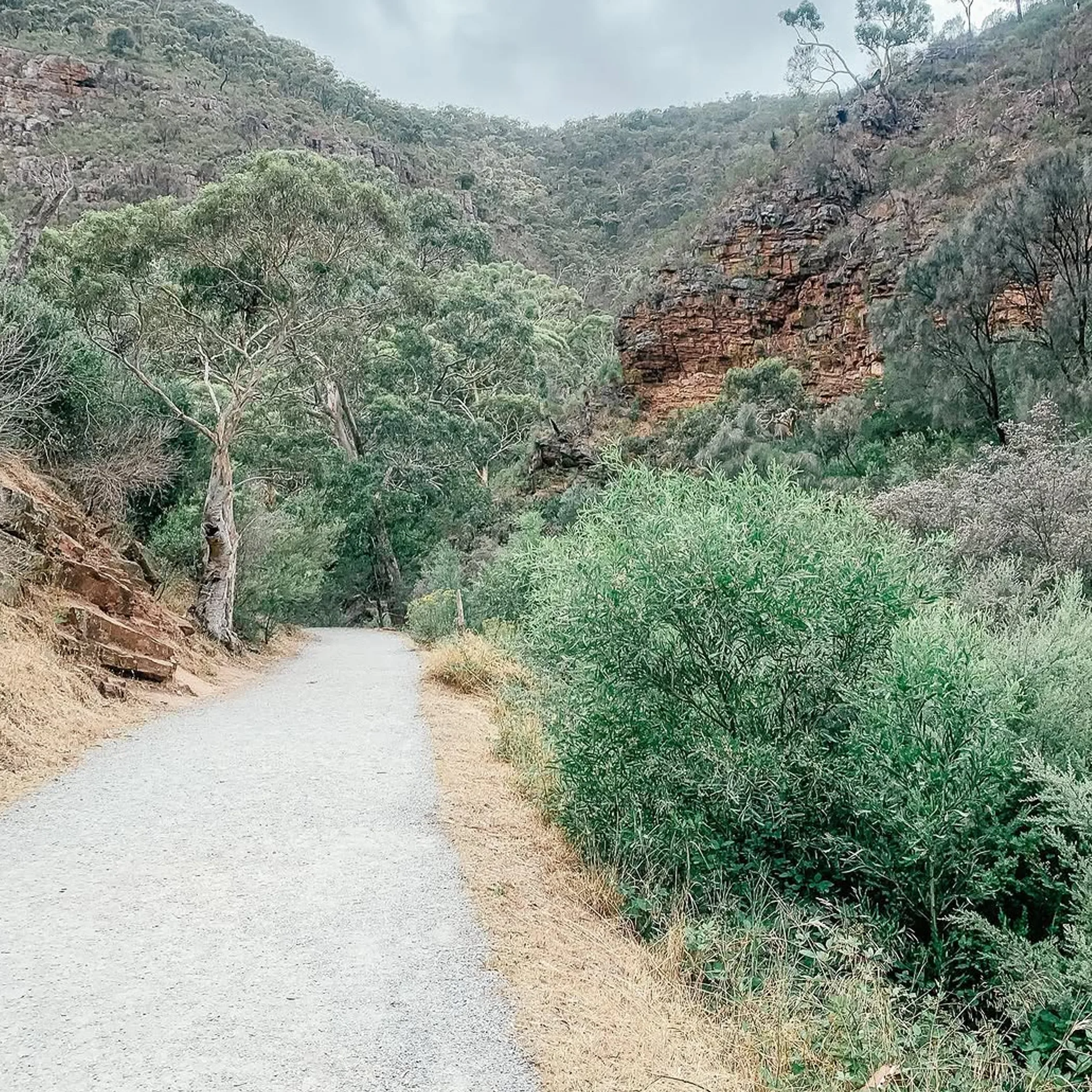
You will come across natural bush tracks, some steepness, loose gravel, shallow creek beds and rockier ground where one has to put some thought into each step as opposed to just putting in the kilometres and talking. There is signage to guide you but it is not as forthcoming as on the easier paths. This is a grade for those with a fair bit of fitness and who are at ease on uneven terrain. If you have any old injuries, or very young children and older folk with balance issues in your party, or if your knees object to stairs, give a Grade 3 some consideration before you go.
A Matter of Comparison
The difference between easy and moderate is not merely in the kilometres. It is in how the terrain makes use of them and whether a short outing is made into a workout. I have been on a 4-kilometre Grade 3 that was more of an effort than an 8-kilometre Grade 2 thanks to the lack of shade and the unrelenting steps and rock. The map distance is not the whole story.
| Feature | Easy (Grades 1–2) | Moderate (Grade 3) |
| Surface | Even, compacted earth, boardwalk or sealed | Uneven, natural, with loose stone and rough surfaces |
| Distance | Shorter by and large | More time consuming for the distance |
| Elevation | Gentle gradients | Changes in elevation and distance are apparent |
| Steps | Manageable | Steep sections and regular steps |
| Signage | Plain to see | Signposted for the most part but demands attention |
| Fitness | Low to moderate | A moderate level is called for |
| Best For | Families and beginners on a park visit | The active walker looking for a challenge |
How to Choose
Go with the trail your slowest member can put in without strain. People overlook that, particularly when someone in the group is keen and declares “She’ll be right.” Not always the case.
Be realistic about the weather and the make up of your party. And consider the three hours in the car afterwards with a cranky child wanting to know where the dunny is and your own cramped calves.
Some things to put to yourself first
- Is everyone sure footed on a descent or the stairs?
- Will the day’s wind, heat or smoke from a bushfire add to the difficulty?
- Are high-accessibility or wheelchair routes a necessity?
- Is the walk the main event or part of a road-trip?
- By kilometre 3 will the group be complaining about the weight of their layers and snacks?
With only a day to spare I am inclined to put in a Grade 1 or 2 in the morning and find a scenic spot later on instead of making a virtue of a Grade 3 and being done in for the rest of the day. You do not want to be in that position in the Top End in the build-up or on a wet winter track in the southern parks.
Safety
One need not be lectured like a schoolboy on bushwalking safety but it is to be taken seriously. The trouble you get in on an easy or moderate track is rarely a dramatic rescue; it is a rolled ankle, dehydration, poor footwear or a late start and the failure to appreciate the return leg is tougher.
Damian Rockwell has had his lessons in the ordinary way on a guided tour when a guest would insist a bottle of water was sufficient and then be rationing sips on the first sunny incline as though he were in the Simpson. Be polite and bring more.
What To Pack
Standard kit for an easy to moderate walk is a pair of grippy, enclosed shoes, something to ward off the wind or cold, water and a simple snack, sun protection and your phone fully charged. Where the weather is changeable or you are in alpine country, put on a rain shell. Up north one has to consider heat and when a storm might come and be sensible about crocodiles around waterways.
Do not neglect the logistics. Find out if the car park is at capacity early on, if the road in is sealed and whether public toilets are to be had at the trailhead or if one has to make do with what is at the visitor centre. You will find community notes on AllTrails or TrailHiking apps; but for the final word, look to the likes of Parks Victoria, Walking SA, Parks ACT or track grading from NSW authorities.
Trail Examples To Put Things In Perspective
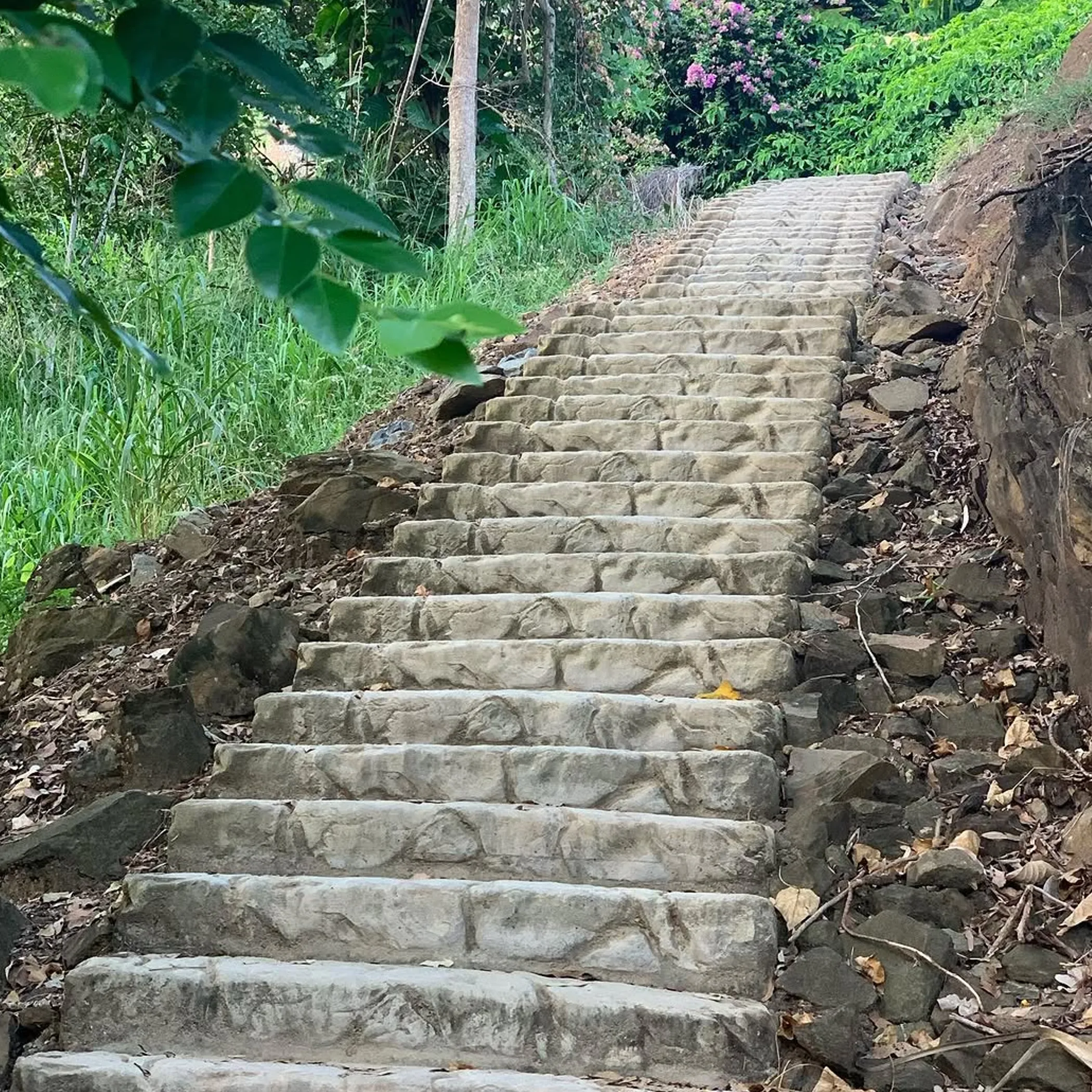
Theory is no match for examples. The following from national parks illustrate the distinction between an easy and a moderate walk, although it is best to verify grades and access with the park authority before setting out.
Consider these for planning purposes only, not as an excuse to stop thinking. After fire, a storm or seasonal flooding, route conditions and closures are liable to change, as are travel times.
| Trail | Location | Typical Difficulty | Why It Fits | Who It Suits |
| Uluru Base Walk | Uluru-Kata Tjuta National Park, NT | Often approached as easy to moderate depending on section and conditions | Long but well defined; exposure and heat are the real challenge | Walkers who start early and respect conditions |
| Short Boardwalk Nature Walks | Various parks in NSW, Victoria and ACT | Grade 1 | Clear path, strong signage, minimal climbing | Beginners, families, older walkers |
| Waterfall Or Lookout Loop Tracks | Common in NSW National Parks and Parks Victoria estates | Grade 2 | Some steps, uneven dirt, manageable distance | Most casual walkers with decent shoes |
| Bush Circuit With Sustained Climb | Common in SA, ACT and Victoria | Grade 3 | Natural surface, elevation gain, longer time on feet | Walkers with moderate fitness and basic track confidence |
Where People Go Astray
They will fixate on a single thing. A grade divorced from the weather, or photos that do not tell you the current state of things. Put a family on a 6km Grade 2 and they will have more of a time of it than a 3km Grade 3 with steep pinches, no shade and slick rocks.
Then there is transport. At some of the larger parks the trailhead is 20 to 40 minutes from the gate or town. With fuel, a paid spot in the car, a park pass and a café, what was supposed to be a cheap walk becomes a day out of sorts. Nothing excessive but you should plan for it.
Making The Move To Moderate
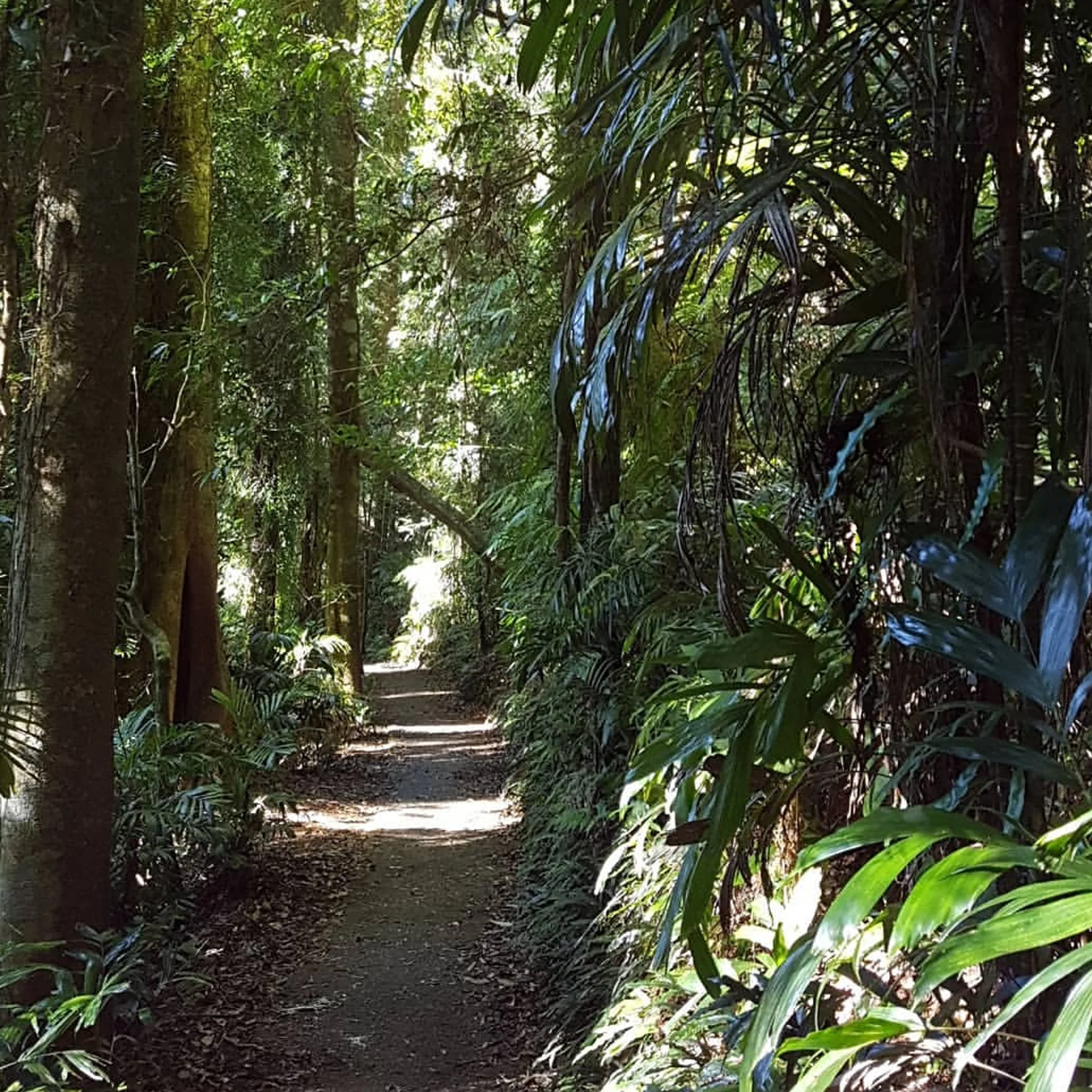
If the easy ones are no longer much of an exertion and your party does not make an issue of rough ground, then a moderate trail is warranted. Not because a social media post has made a steep one appear so. I am inclined to be doubtful of those on the internet who seem to put in an uphill without breaking a sweat.
But for someone in the habit of walking, who puts in a longer outing and comes back for it and can cope with inclines and stairs, a moderate trail is the way to go. For the time being, take the easier grades if you are one to put in a hard puff on anything of a climb, have an aversion to going down or make much of handrails.
Red Flags
- A long drive or lack of sleep has left you fatigued before you even set out.
- There is heat, wind, storms or bushfire activity in the forecast.
- Someone in your party is giving voice to his or her concerns and being put down.
- You are short on water, daylight or suitable footwear.
- The park has put out an advisory about slippery ground, washouts or closures.
Then there is the question of whether it is for beginners. It is a matter of what kind of beginner. A novice in good shape who heeds advice and is up early will have no trouble with a well marked Grade 3. An inactive type in flimsy shoes on a hot afternoon might.
The Takeaway From Damian Rockwell
Damian Rockwell would put it like this for a succinct answer: in Australian national parks the easy trails are Grades 1 and 2 for the most part, offering a path that is clear and un taxing; moderate ones are Grade 3 where you will find rougher ground and have to put in more of a physical effort. The decision should be made on the basis of the surface and weather and the group’s capabilities, not ego, and how much you want to get out of the day.
Choose a walk that will have you pleasantly tired. You want to be back at the car with some energy for a late lunch and a few good stories to tell, dusty shoes and all. Not cramping calves and regret muttering in the car park.
Frequently Asked Questions
What hiking grades are there in Australia?
Six of them under the Australian Walking Track Grading System. The easiest is Grade 1, highly accessible as a rule. Grade 2 is no less straightforward but more so in feel. Grade 3 is of a moderate nature. With Grades 4 and 5 you need the fitness and navigation to match, as they are harder and call for bushwalking experience. Grade 6 is reserved for the unmarked and difficult routes in remote country where self-reliance is a must.
Is a Grade 3 an easy hike?
Not by any normal definition. Regular walkers will make light of it but for a beginner the unevenness of the terrain and the climbs can be a test.
Where are the hardest hikes to be found?
Australia’s most demanding are Grade 5 and 6, be they alpine or multi-day remote walks with little in the way of marking or exposed to the elements. One should judge difficulty by remoteness and access to emergency services as much as steepness.
How about a Grade 5?
Experienced bushwalkers only. You are looking at a difficult walk with steep parts and distance to cover on an unformed track, with facilities scarce. They require a firmer hand when it comes to planning and a margin for safety and the weather.
Do families do better on the easy trails?
As a rule yes, the safer option with young ones. Yet an active family may put in a short Grade 3 provided the children are accustomed to it and the adults are sensible as to pace and when to turn back, and the weather is mild.
