There is a simple fact about these walks that you have to accept if you are to be safe in an Australian outback gorge: they demand more forethought than is apparent. One minute a track in the Red Centre, Pilbara or Kimberley seems within your means, the next it is hazardous. The culprits are the heat, the loose rock, flash floods, inadequate signage and phone reception that has a habit of disappearing at the most inopportune time.
To put it plainly, proper safety requires you to do your homework. Consult the park alerts and the weather. Put on good footwear and set off early. Take along more water than one might think is polite. Make sure you can navigate without relying on a phone, put in an itinerary and for any walk in the remoteness of the outback, have a registered emergency beacon with you. Damian Rockwell puts it this way: when a gorge walk has an air of casualness about it, that is precisely when to make sure your preparations are in order.
It is something I have been witness to. Some will put in weeks of planning for a coastal drive yet see a short distance on a signboard and decide a remote gorge is nothing more than a morning’s work. They are mistaken. In the outback five kilometres can be a slow, arduous affair, hard underfoot and exposed to all the reflected heat with no help in sight.
Respect for the Gorge Walk
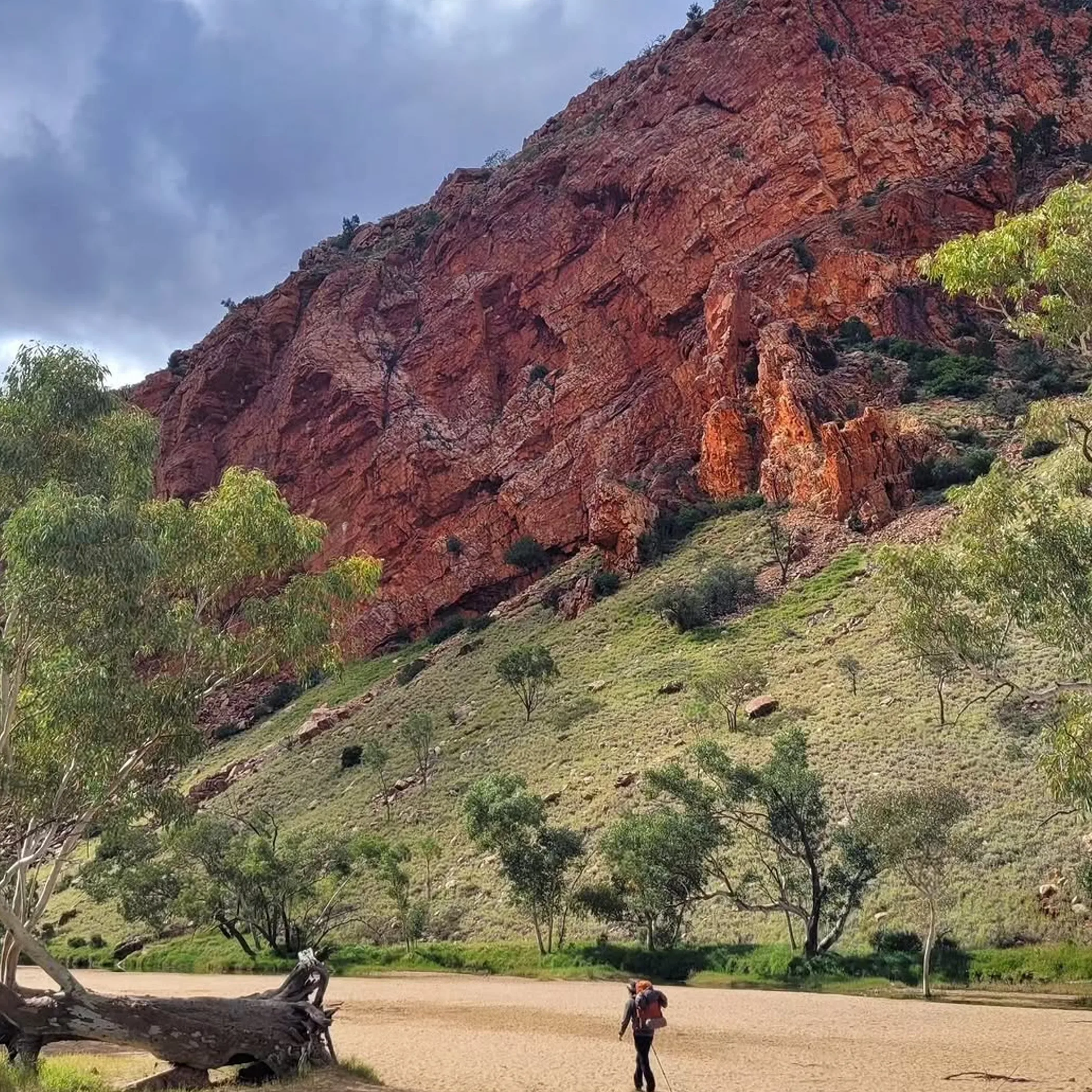
Spectacular as they are, Australian gorges do not suffer fools. They will funnel the heat and hold water in ways you cannot predict, making you putter over boulders, sandy patches, ledges, and creek beds that sap your energy quicker than anticipated. Exploring this natural Australian wonder is both challenging and rewarding.
Rockwell would say to anyone heading bush what he says to his friends: do not let an optimistic holiday spirit dictate things. You need to be disciplined about your turnaround; the season, the terrain and how far out you are are of more consequence than the miles.
Reality Check
The error most make is to think a marked trail is a controlled place. Not so in the outback. Markers are few and far between, rock can be slick in dry conditions and what looks like a flat route on paper may well have you scrambling or wading a creek with the heat coming off the stone like an oven door has been flung open.
Then there is the folly of putting the photograph before the day. It is all too easy to see good light and edge up to a drop-off, or to keep going when you are done in, skimping on snacks and rationing water in advance. You do not want to find yourself with “No Service” on your phone and no legs left in a gorge.
Hazards to be aware of
From the Top End to inland NSW the risks are much the same in the pattern if not in detail: dehydration, falls, flooding, isolation and bad calls. Hiking safety Australia advice is consistent on the core dangers. When you are in a gorge you are contending with the country and with yourself, which involves knowing the environmental risk and having the sense to check in on your own ego and planning.
Exposure to Heat
This is the primary concern. Outside of winter the temperatures in the Red Centre get up to you. In the Kimberley and Pilbara the humidity and shoulder-season heat can have you reeling by mid-morning. A gorge wall might give you some shade but it also holds the still, radiated heat.
You will know heat exhaustion by the dizziness, the cramps, the nausea and the inability to concentrate. Preventing heatstroke is not a matter of water alone, it is about your timing, your clothing, salts and pace, and the willingness to head back before it becomes a problem.
Flash Floods
Do not be fooled by a benign sky. Rain upstream can put water through a gorge system in a hurry, particularly in the wet season or in the wake of a storm. The northern parts of the country are risky enough, and cyclones can be felt in inland catchments.
Should you see any indication of rising or murky water, or a storm in the forecast, or that the track is closed, stay out of it. Leave it to the local park authorities to tell you what the situation is before you leave, not after you have made yourself emotionally invested.
Isolation and Unstable Ground
More walkers than not are unaware of how often cliff edges are undermined by erosion. Gravel is treacherous, scree and rockfall will move when put upon. With a pack on and tired legs, a misstep is all it takes to warrant a rescue. The very nature of isolation raises the stakes. You can be hours from any kind of help in some of the Kimberley or Pilbara, or on a road off the Stuart Highway or Gibb River Road. LifeFlight and the like will put in an appearance for an emergency but you would not want to make rescue part of your plan.
Water: Have Sufficient Quantities
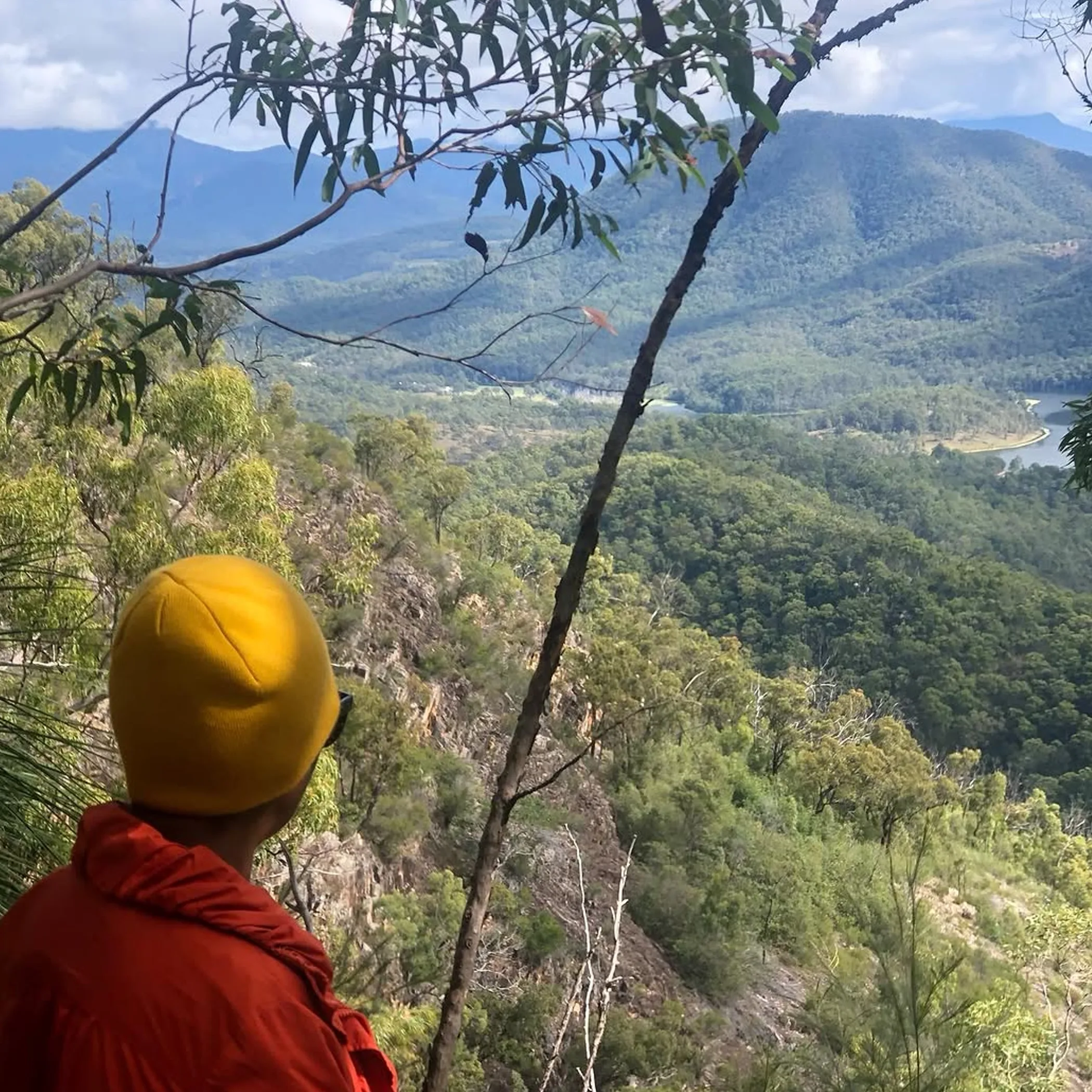
Sensible outback hiking plans have a way of falling apart over hydration. One is tempted to carry too little to avoid the weight, or one brings too much of the wrong sort and neglects electrolytes, food and proper pacing. Damian Rockwell has a rule that is as useful as it is unexciting: should you be in any doubt as to whether you have enough water, more is called for. Optimism does little for outback preparation.
How Much Is Enough
You will not find a figure that covers every body size, season or gorge so be conservative in your per person litre calculations. The seasoned bushwalker on a short, exposed gorge walk will have several litres and then some to cover wrong turns, delays and conditions that are hotter than they look. “Just enough” won’t do in the remote heat.
Then there is the matter of replacing electrolytes when the day is hot and you are putting out the sweat in earnest. Hours of salt loss and nothing but water will have you feeling flat. I have seen walkers put away plain water and be at a loss to explain why they are still all of a shake and of no use. Most often they are overheated, underfuelled and low on salts to boot.
Snacks Worth Having
Make sure you have provisions you will actually put down when it is hot. There is room for sandwiches, nuts, fruit, lollies and salty crackers. As for gummy bears, hikers are wont to ask what the point is. In practical terms they are quick sugar, easy to chew and transport for a fast top-up of energy. Nothing magical, just convenient.
Put aside the idea of one big lunch. Eat in small amounts and on a regular basis. By the time the heat has taken your appetite you are already at a disadvantage.
Get An Early Start
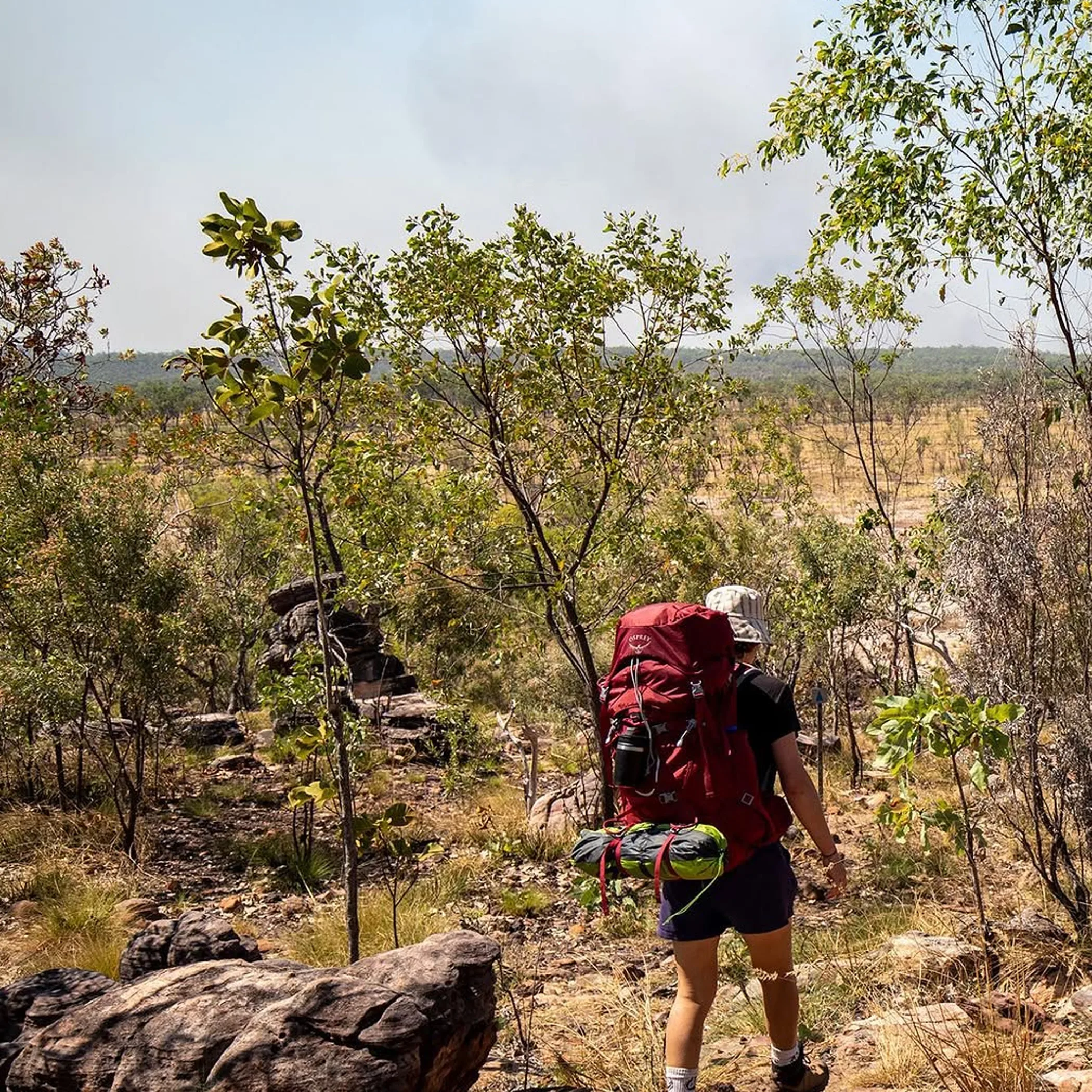
There is no artifice to the sunrise hike in the outback, it is what separates a good day from having to put in a limp back to the car and feel as though you have been poached. Your timing will dictate the route; a track that is fine at 7 am becomes something else by late morning and people tend to under-estimate the return leg.
Heed Park And Weather Warnings
Before you set off, and when you get signal again, consult the Bureau Of Meteorology forecasts and warnings on rain, floods, thunderstorms and the like. Do the same with local authorities, be they Northern Territory Parks, NSW National Parks or Parks and Wildlife WA. All are relevant to planning a route through a gorge. Conditions in central and northern Australia have a habit of turning on a dime. A week ago it may have been open but with the wet season and its attendant road closures, storm damage and bushfire activity, such a fact is of no consequence.
Know When To Turn Back
Good bushwalking safety dictates you have made up your mind before you put one foot in front of the other as to when you are done. Be it a time of day, the state of the weather, a shortage of water or a group member having trouble, or simply a route condition that does not sit right. With a single day to spare, stick to the well-trodden section of a gorge system and be up at first light. Leave the heroic excursions to someone else; an attempt to cram in a side gorge, three lookouts, a swim and the long drive to town in the heat is where poor judgement starts.
Gear For The Job
Reliability trumps fancy kit when it comes to packing for the outback. It has to function after being jostled in the back of the vehicle next to a half-crushed muesli bar or when it is dusty and hot. Rockwell found in Tasmania that a pair of spares socks will do more for a man’s mood than he will let on; the thinking is the same in the outback only the consequences are greater.
For a remote daypack you will want:
Sturdy bottles or a bladder for water and a reserve
Electrolytes and rations to see you through
A wide-brim hat, sun-safe clothes, sunscreen and sunnies
Footwear with grip for scrambling and wet rock
Topo map and compass (GPS notwithstanding)
Phone with power bank and offline maps fully charged
A PLB or satellite communicator
Torch or headlamp for a protracted return
And a first aid kit with a compression bandage for snake bite
An emergency layer, a whistle and some tape for repairs are among the things to have on hand.
The 12 Essentials: what they amount to
Hikers will put the question to you, what are the 12 essentials? It is a safety framework of sorts that has become the norm, encompassing everything from navigation and insulation to light, first aid, fire, tools, shelter and the like. The concept holds up in an outback gorge in Australia but with a different focus; one puts more store by water, navigation backup, communication and dealing with the heat.
Then there is the 20% rule in backpacking. Walkers will tell you it is about not having a pack that weighs more than a fifth of your body weight. But it is a guide, nothing more. When you are in remote heat and have to make room for the water you need, weight will be what it is. Safety is always preferable to elegance.
Phones are not to be depended upon
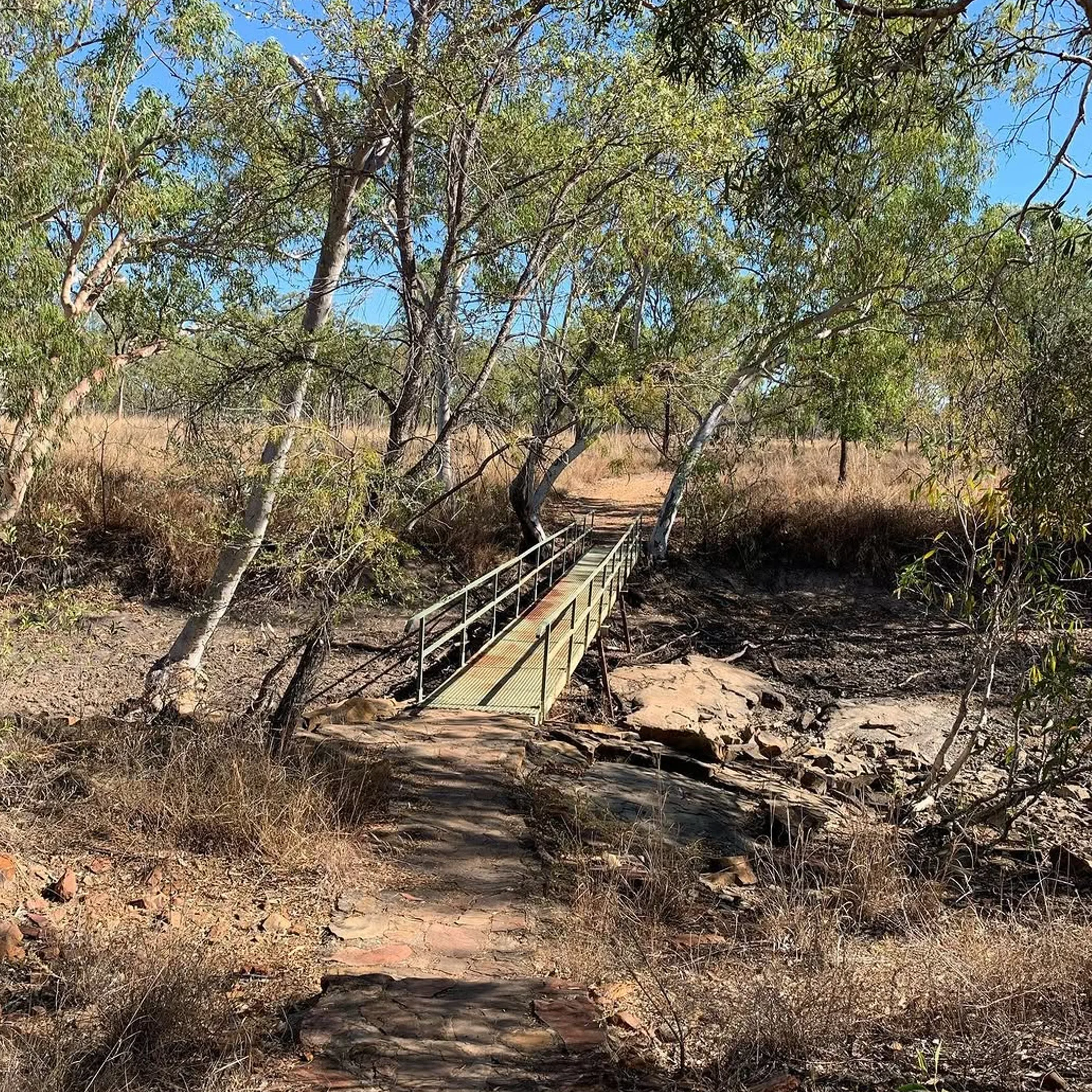
Your map app may have been reassuring at breakfast but do not count on it. In gorge country mobile coverage is non-existent or at best patchy. You are at the mercy of deep rock faces, the distance to a tower and the roads you have to take to get in.
For any checklist you are putting together for a remote hike, a communication backup is a shrewd investment. An emergency device ceases to be overkill and becomes common sense.
PLBs and the like
When it comes to a serious situation in the bush, a PLB Australia is the gold standard. Activate a registered Personal Locator Beacon and it will put out a distress call via Cospas-Sarsat. Make sure you have done the registration so the authorities can get hold of you and your emergency contacts. Some satellite communicators allow two-way messaging which is handy for the odd update that does not involve life or death. On a truly remote gorge walk I would opt for a satellite communicator with a good plan in place, or if the trip calls for it, a PLB as well.
Harder gorges are not for everyone
There are routes with their steep drops, boulder hopping and hot exposure that are no place for a beginner or a day-walker who has not put in the preparation, let alone a family with young kids in the full sun. If the park says a route is hard, take it as information and not something to be tested. There is no disgrace in sticking to a lookout track rather than making the descent if the conditions or your own ability dictate it.
Make your navigation count
It is not just the multi-day trekker who needs to plan his route. A short walk can be confounding when the cairns are indistinct or a side gully lures you off line. More often than not it is the way back that is the problem; the landmarks are not the same, you are tired and “we will just putter down the creek” is no way to go about it.
Have your markers and access sorted
Put an offline map on before you head out of town but in a remote area you should have a paper topographic and compass too. Know your access and parking, where the no-go zones are and how you will cross the creeks. With the larger parks, a word with staff at the visitor centre will tell you what turn-offs are open and which trailheads are going to be slow work.
Logistics are as important as the walk once you are away from service towns. Fuel, a spare tyre and food are a given. And do not forget to factor in realistic driving times; some car parks are a sealed road from town while others mean a long crawl after the rain over corrugations and creek beds.
Put an itinerary in front of someone you can trust
Tell them the intended track, start and finish times, vehicle details, the access road and at what point they are to sound the alarm. Use the logbooks if the park has them. It is a dull sort of thing but very effective, one of the soundest precautions a hiker can take.
Patience is key in a gorge
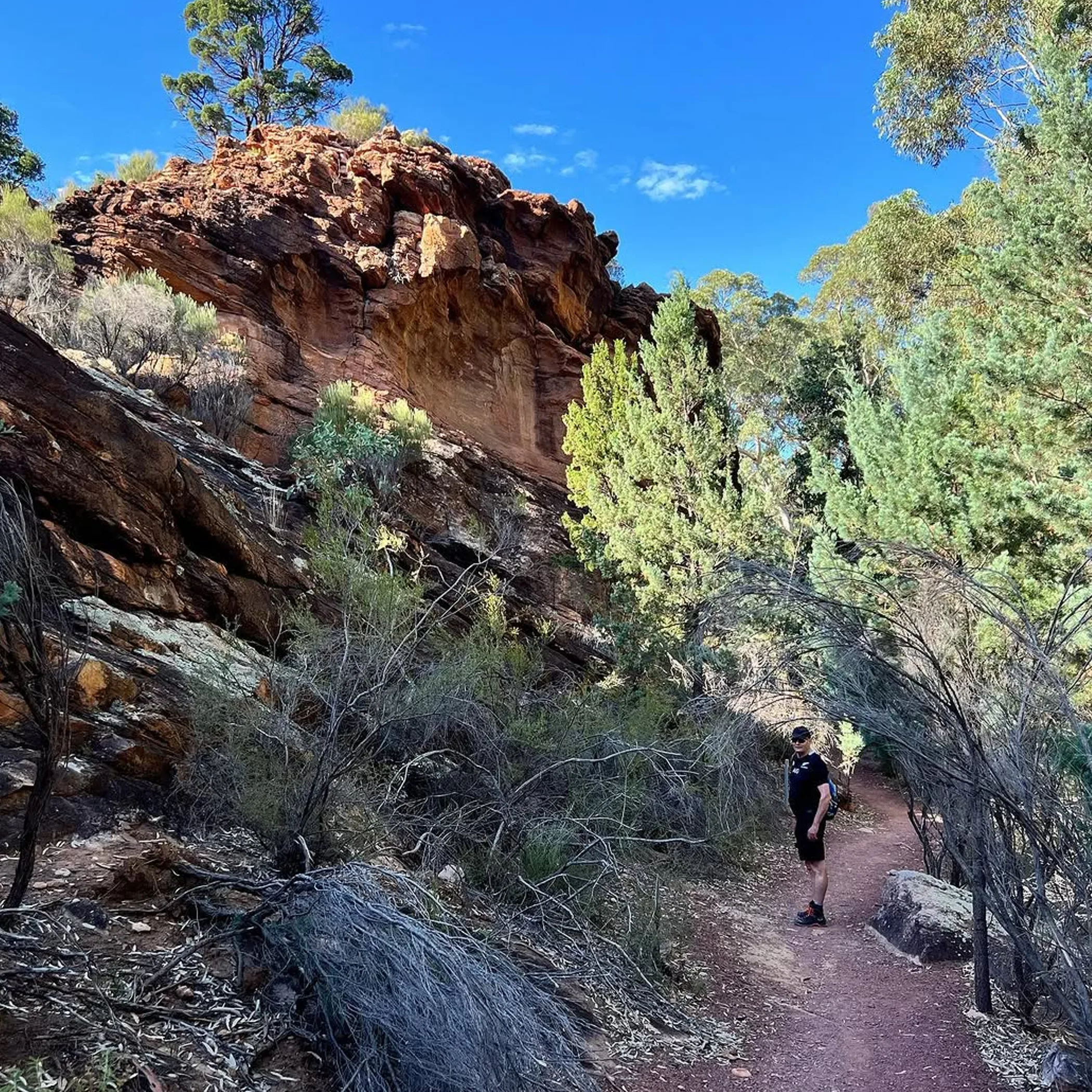
You will not get far with fast feet and shortcuts on wet rock and crumbly ledges. Damian Rockwell has a sensible piece of advice: slow down ahead of time. Most people slip when they have decided they are nearly home and let their guard down.
Test the rock before you put your weight on it. Three points of contact on a scramble. Steer clear of the slick algae on polished rock by the pools. Any jump from one boulder to another is optional, and should be treated as such. You do not want the business of a sprained ankle in the middle of nowhere. First ascertain what is beneath the water if you are to have a swim and the conditions warrant it. One should be aware of the depth, which has a way of being misleading, as do the exits. And in the north, heed local warnings without exception and be croc-wise.
Plan Before You Arrive
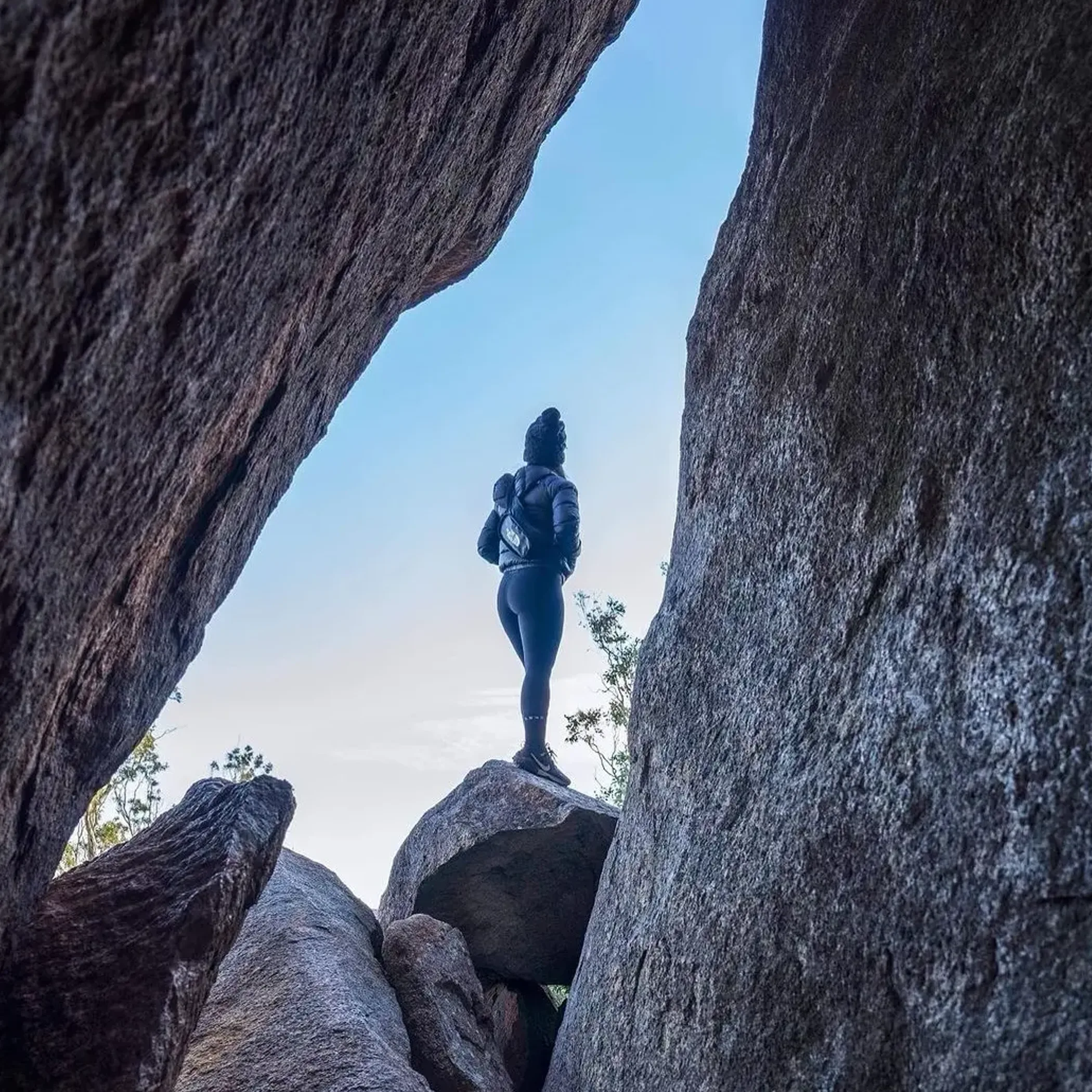
A little pre-trip planning of the right sort will see the day go more easily and safely, and for the most part be more of an enjoyment. That entails making allowances for your fitness, any permits or access issues, how much daylight there is and the limitations on rescue.
Be realistic as to what the walk is about. A gorge may call for an experienced walker with good navigation, while another is better left to the casual type of traveller after a short return track and a swim or a view from the lookout, with no desire for a hard day of it.
Fitness, Permits And Costs
Do not train for distance alone but for the terrain. Put in some stair work, get used to uneven ground and the weight of the pack. Should you need a permit, put in the order early; in some regions that could be a park pass, camping reservation or permission to be on Aboriginal land. Travellers in the NT will often make inquiries with the park systems over such requirements ahead of time.
Costs are a matter of the region and can be fluid so consult the official sources. Make provision in your budget for fuel, food, vehicle wear, accommodation and the like. You might put down a few hundred AUD for a PLB or outlay more for a satellite communicator, but when you consider the expense of a ruined trip or having to be rescued, it is money well spent.
| Region | Typical Challenges | Best For | Watch Closely |
| Pilbara | Extreme heat, loose rock and roads into remote areas | Walkers who are prepared and have their water sorted | Any sign of heat exhaustion, road conditions, reception |
| Kimberley | Isolation, rough access, flooding and the wet season | Those travelling in the dry with high-clearance logistics in hand | Closures, crocodile warnings and the safety of flood gorges |
| Red Centre | The long drives between services, exposure and a dry heat | Early starters capable of looking after themselves in the bush | Fatigue on the way back, sun and litres of water per person |
| NSW Gorge Country | Cliff lines, steep descents and weather that can turn on you | Day walkers paying close attention to local alerts | Storm risk, unstable edges and side tracks where route-finding is needed |
Practical Lessons
Crossing the Gibb in May was an education in how remote travel puts an end to lazy habits. I found distances to be overstated and supplies of greater consequence; throw in the heat and a lack of reception on rough tracks and a straightforward walk is made into something of an undertaking. The same goes for a day in the gorges. I have had the best of them by starting early, keeping plans unpretentious and lugging more water than I care to.
In the end that is what one takes from this Australian natural wonder. Photograph it, stand and stare at the sandstone walls, but do not think of it as a city stroll with better scenery. Careful walkers are amply rewarded by our outback gorges, careless ones are not.
Frequently Asked Questions
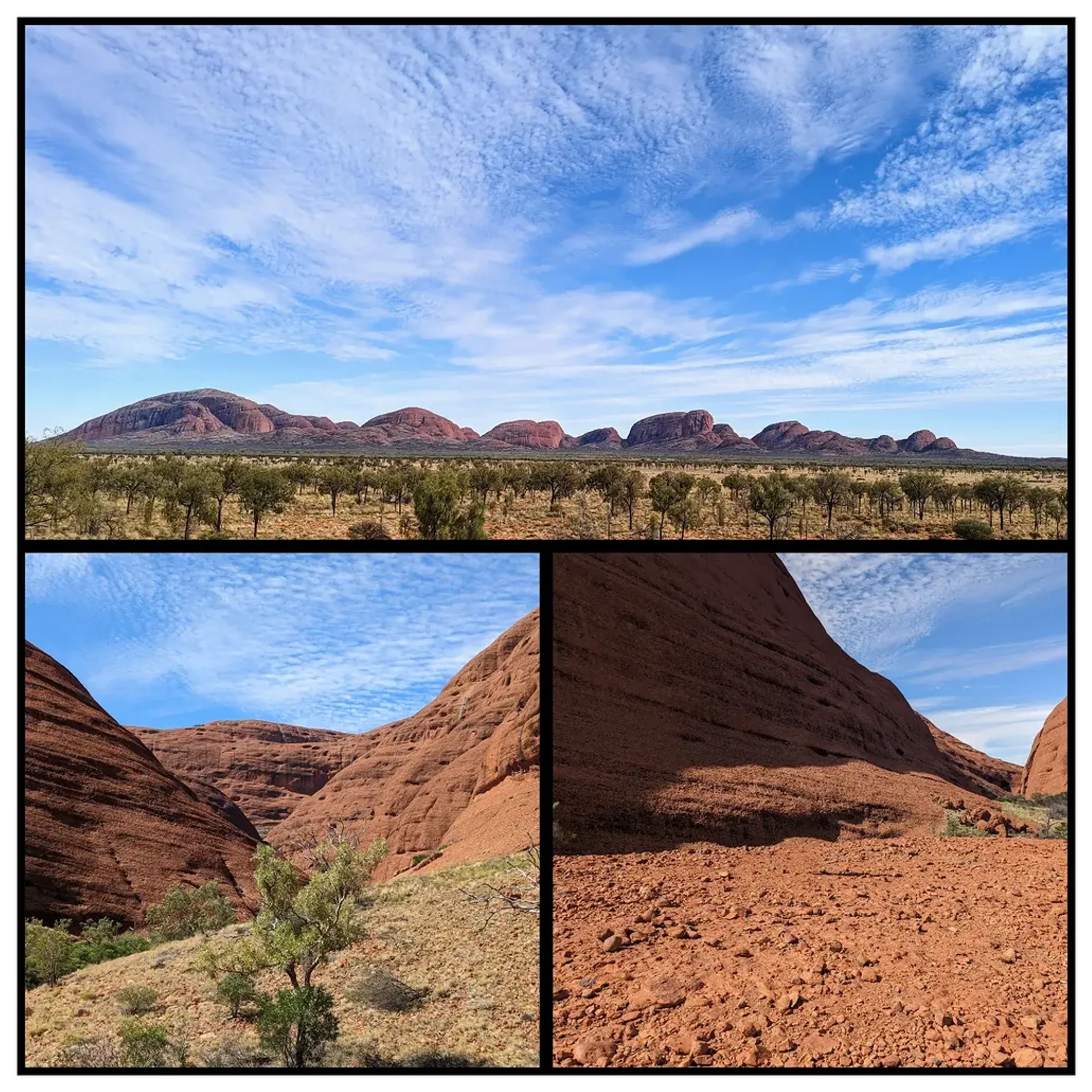
The sort of questions one comes across before setting off on a gorge walk, once it is apparent the “quick wander” requires some consideration.
What Are The Safety Precautions For Hiking?
You will find the fundamentals do not change: proper footwear, sun protection, a backup for navigation, an itinerary left behind and emergency comms in the field. Check the weather and park alerts and have sufficient provisions. In a gorge, exercise due caution re cliffs, timing of your return and anything slippery or prone to flooding.
What Is The 20% Rule For Backpacking?
A rule of thumb to the effect that your pack ought not to exceed 20% of body weight. It is a fine place to start but nothing more. On an outback hike the water and gear you need for safety will add to the load, so train for it.
Why Do Hikers Eat Gummy Bears?
For the quick carbohydrates. They are easy to put away on a brief rest and give fast energy, though they are no substitute for a decent snack and electrolytes.
What Are The 12 Essentials For Hiking?
A common packing list that covers the basics of shelter, first aid, light, repair and so on. Consider it a minimum for an outback gorge and then put some heft into the water, heat-management and communication elements.
Do I Really Need A PLB For A Day Walk?
Not in a park on the urban fringe. In the Australian gorge country, frequently. Where the terrain is technical and foot traffic is thin and you would be waiting a long time for help, a registered PLB is among the wiser things to have on you.
